From Master to Mixtape: Part 2
Now that your duplication project has made it through the proofing and mastering process, let’s take a peek behind the curtain to see the magic our production team works to bring your project to life and get it into your hands!
Production: Where It All Comes Together
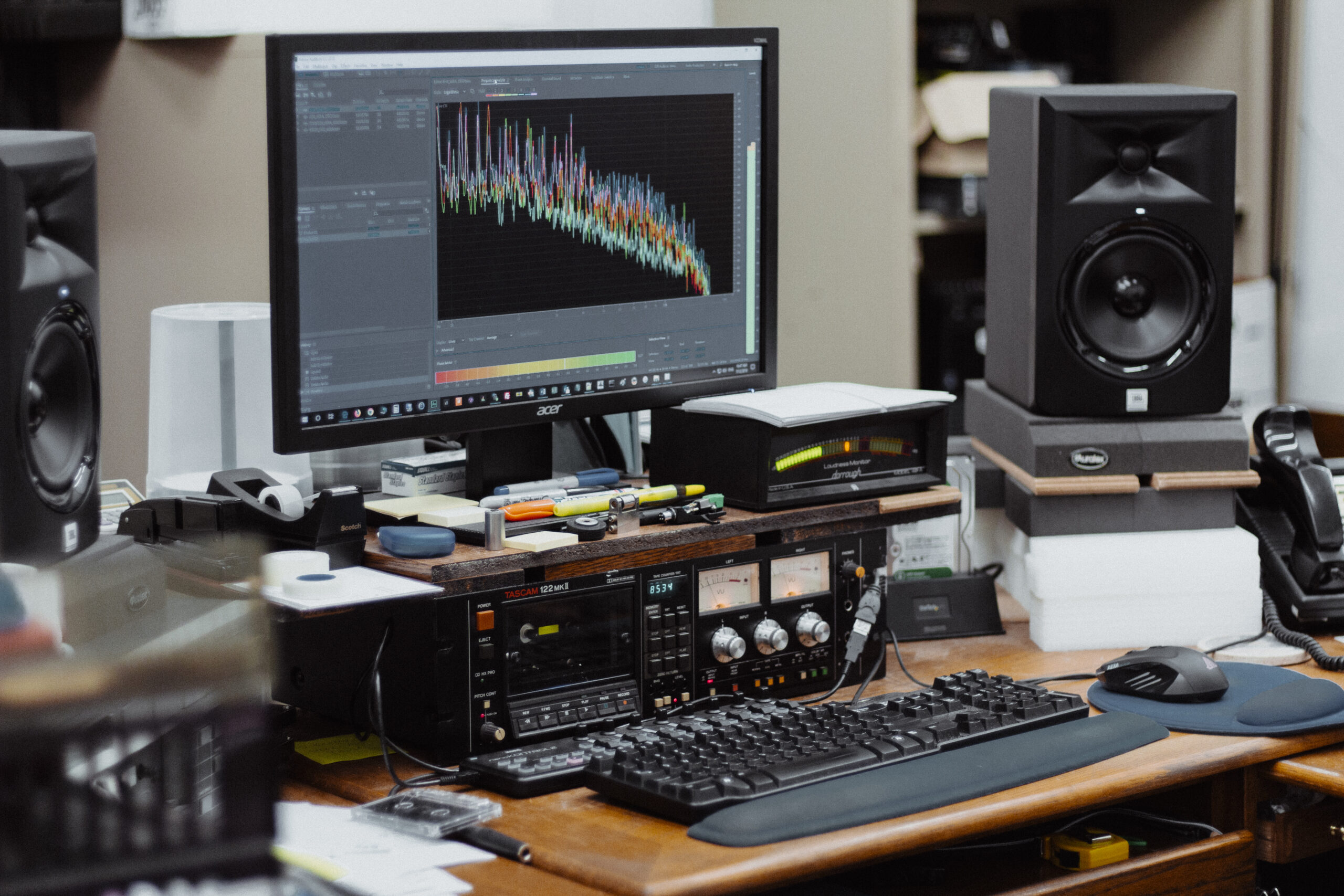
With the bin master complete and the artwork approved, the project moves to the production floor.
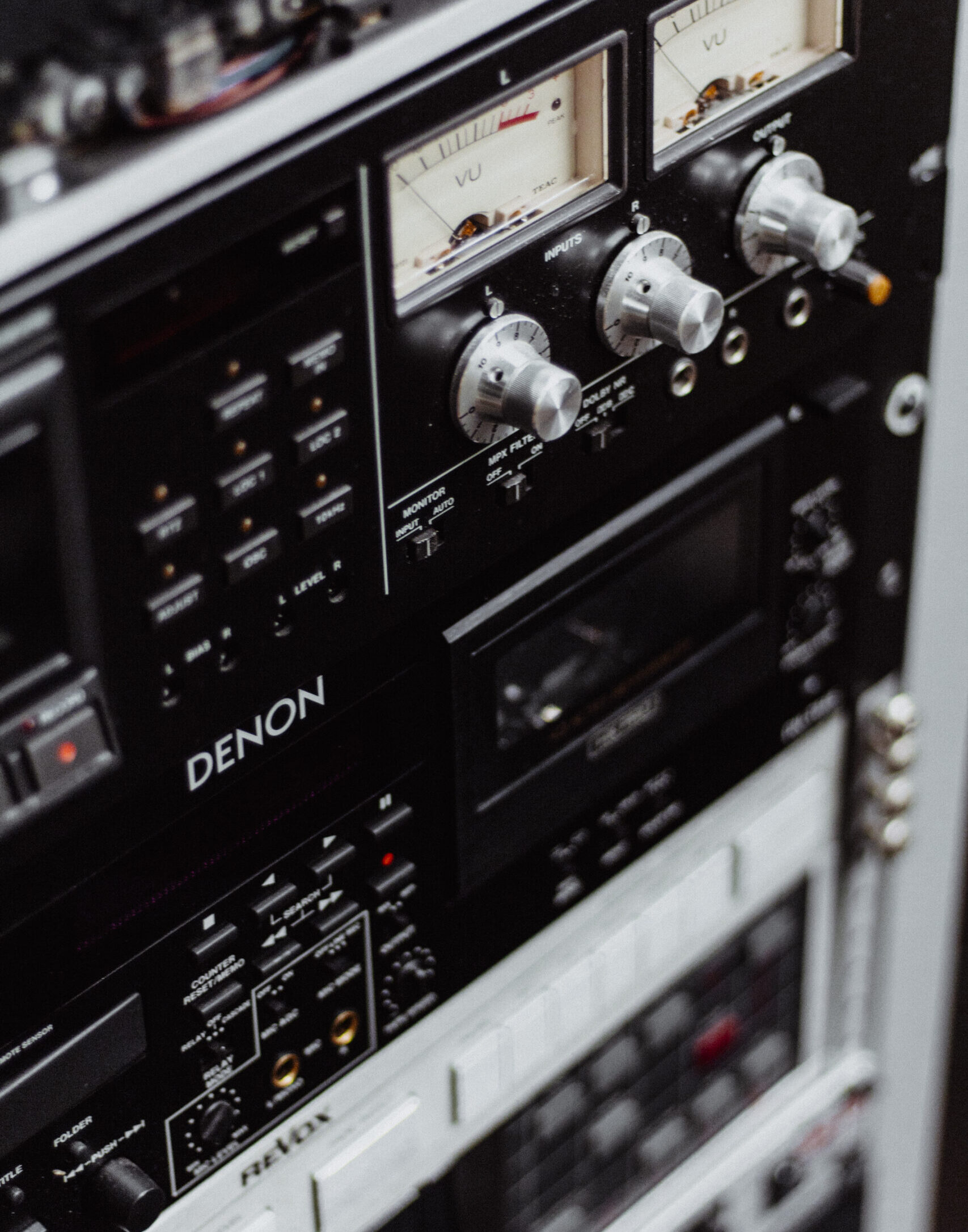
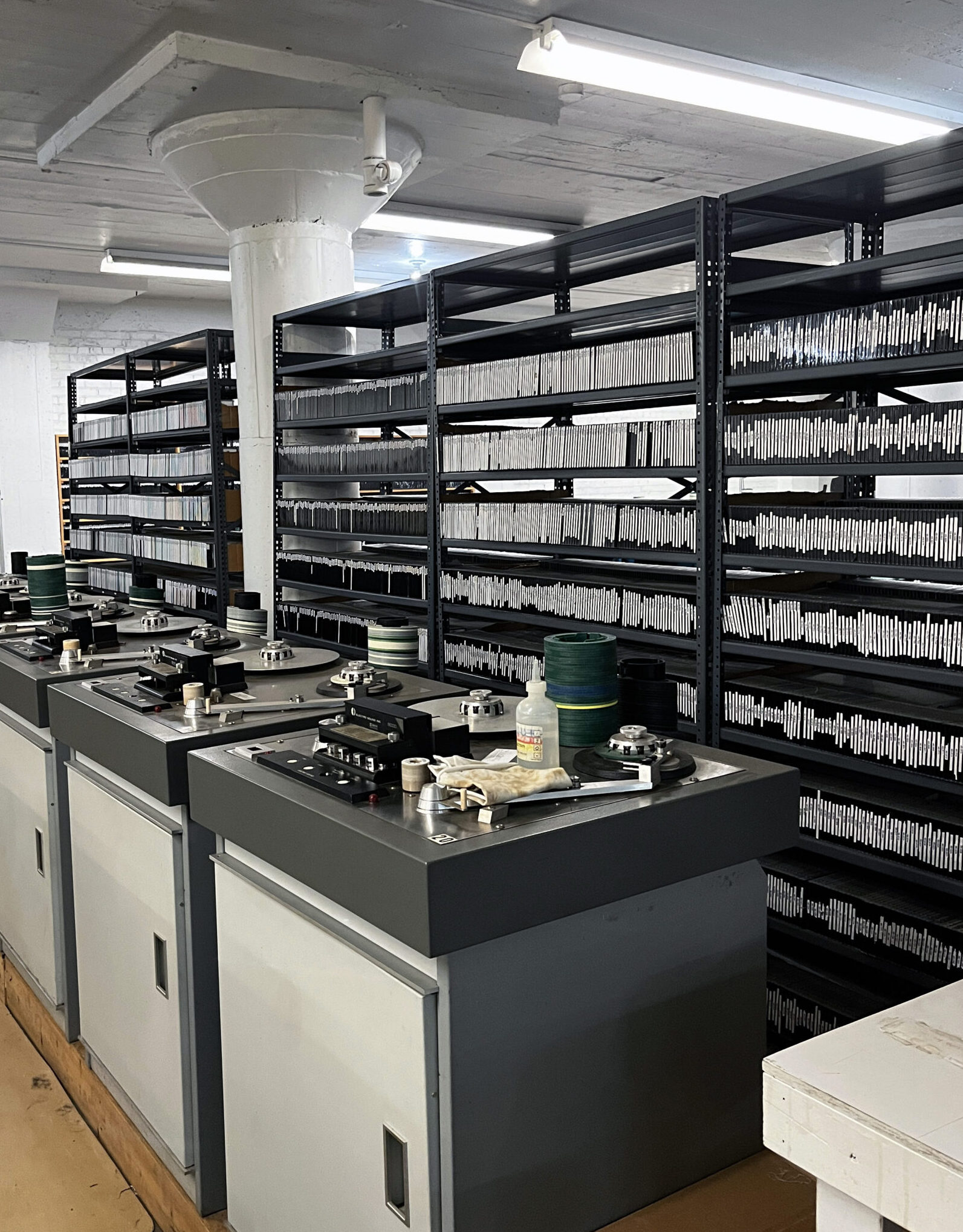
The digital bin master is loaded into the duplication line. It doesn’t sit there and play the whole time. Instead, it loads into memory and plays from there, controlling the reel-to-reel slaves that actually record the tape. This is why the process is so fast. The machines aren’t playing in real time; they’re duplicating at 80-times playback speed.
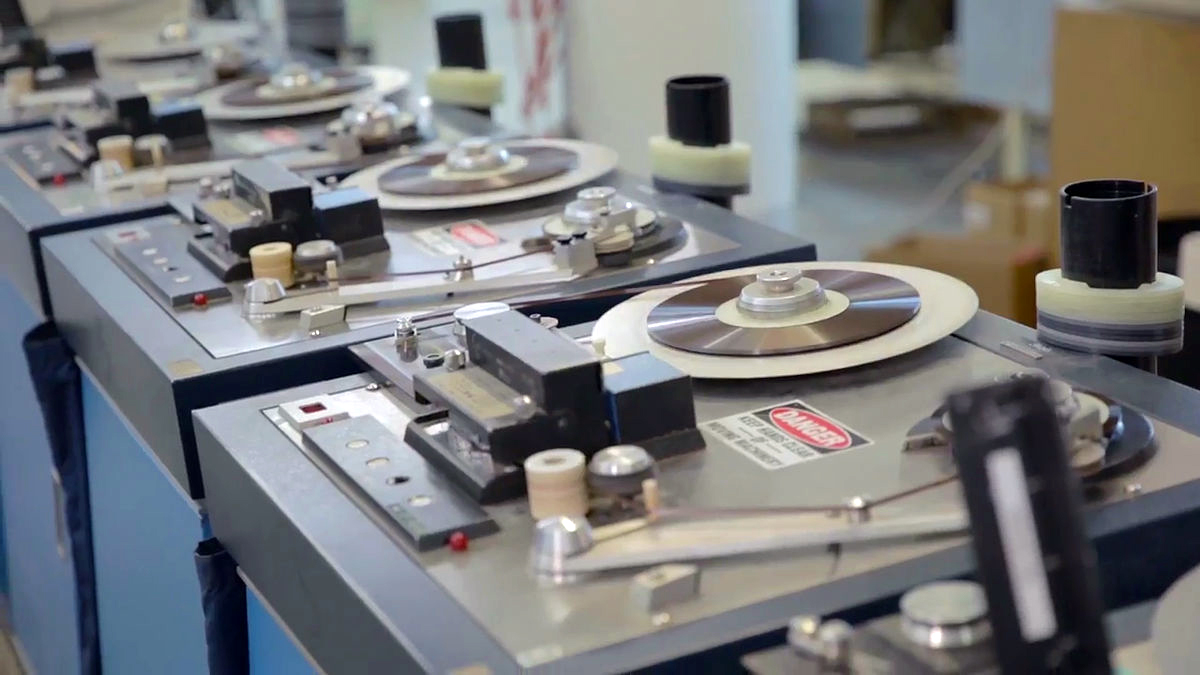
High-speed duplication machines
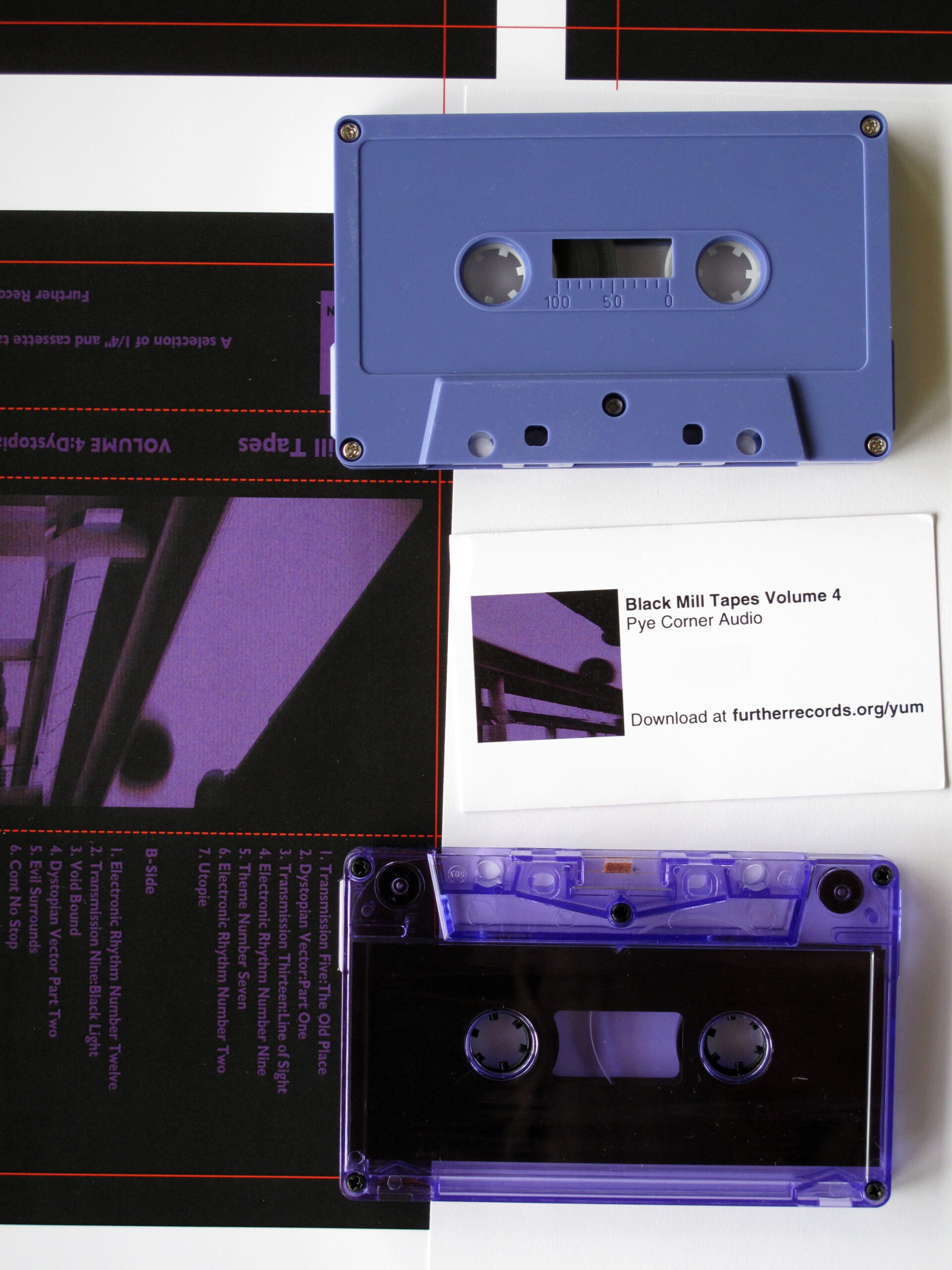
If customers choose imprinting rather than printed paper labels, NAC’s ultraviolet dry offset imprint machines apply ink directly to the cassette shell. The design can be anything you want: band name, album name, song titles, or just an abstract design—the choice is yours. The process is similar to a stamp, with ink rolled onto a plate and then transferred to each cassette (at the rate of one per second) as it runs through the machine.
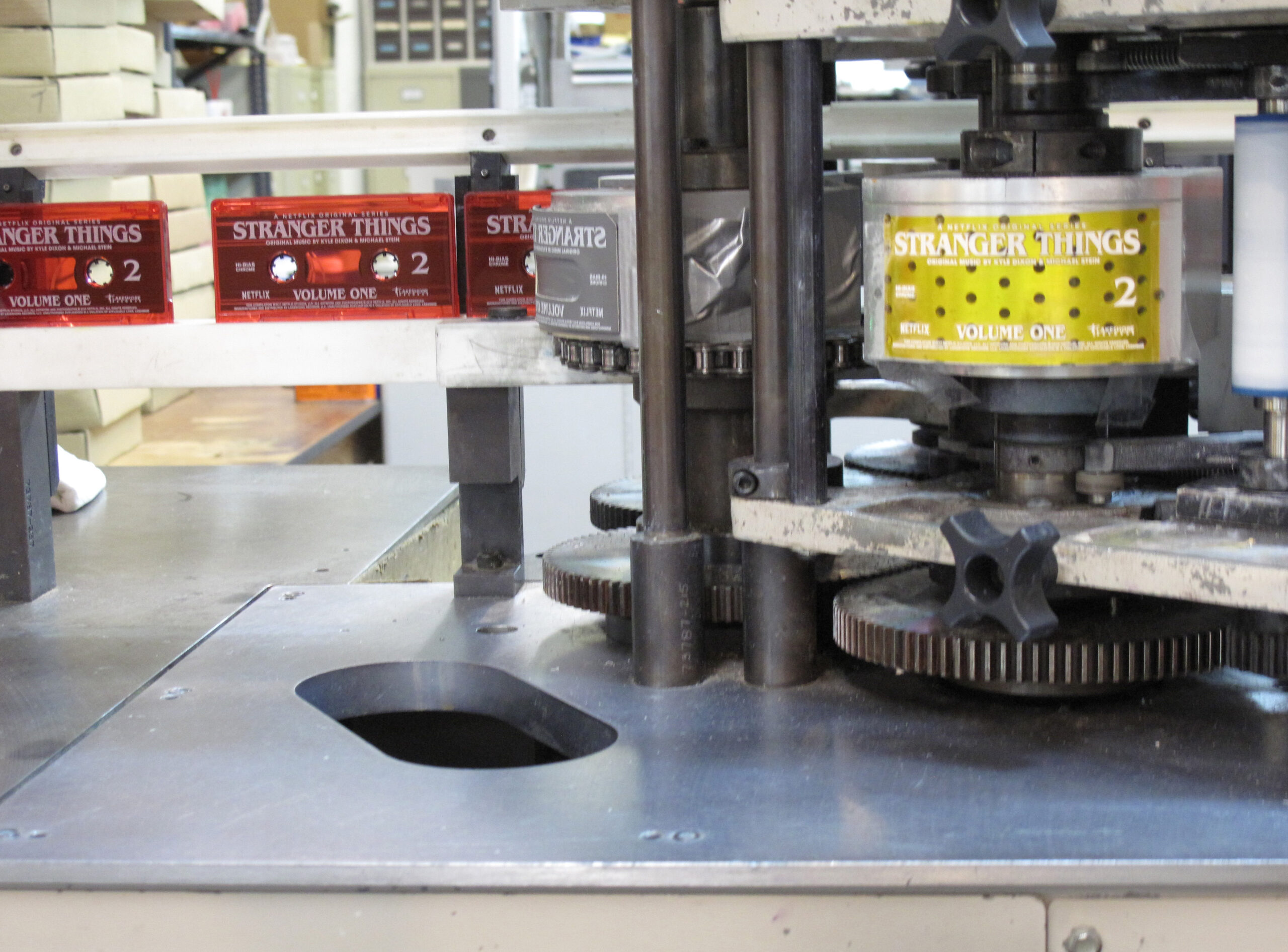
Cassettes are imprinted using customized polymer plates and UV ink
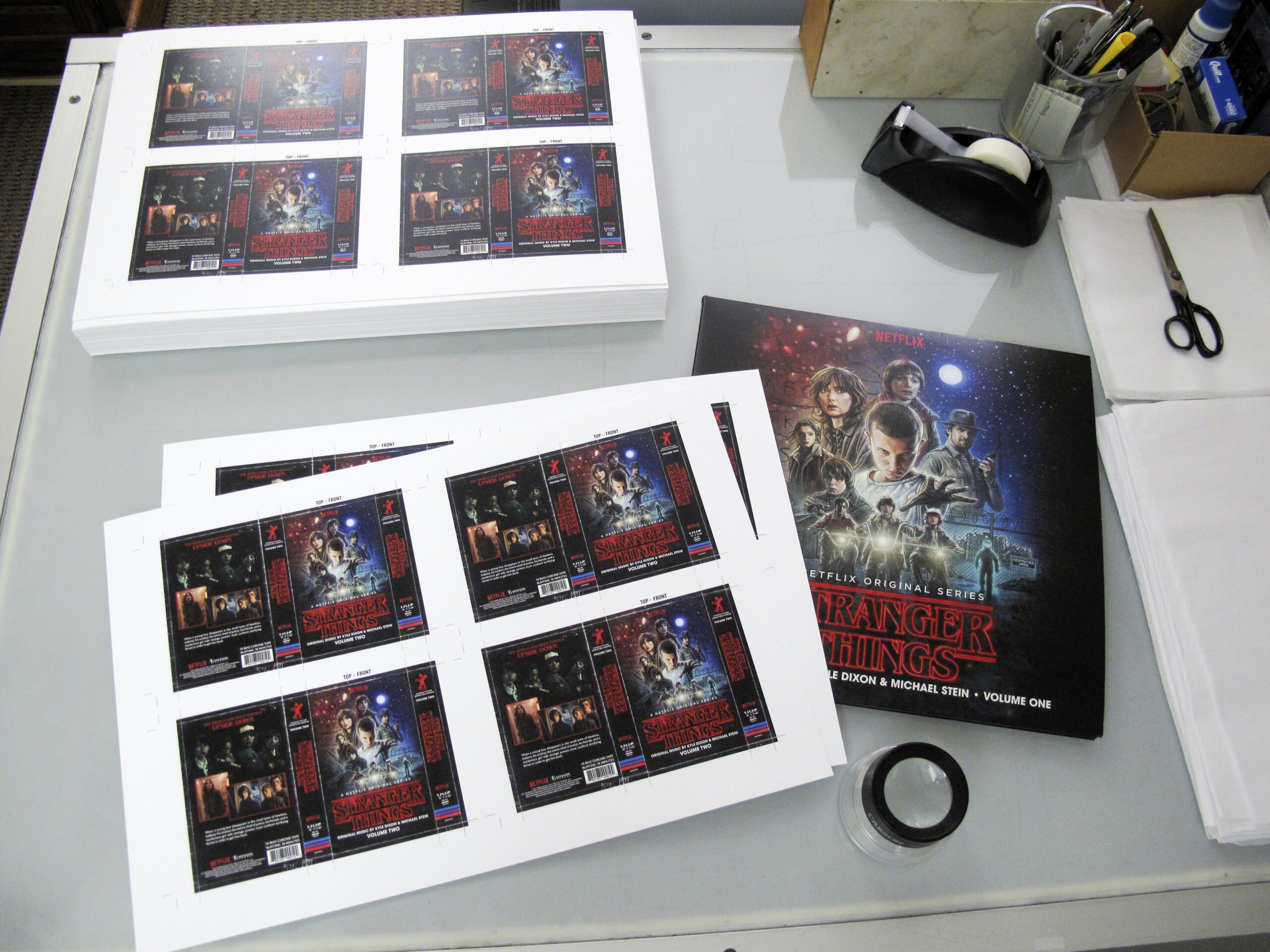
Meanwhile, the production team is assembling J-cards or O-cards, applying them to the cassette cases. Most orders get wrapped in cellophane for that fresh, sealed look, while others get custom packaging. Check out some of our most popular packaging options here.
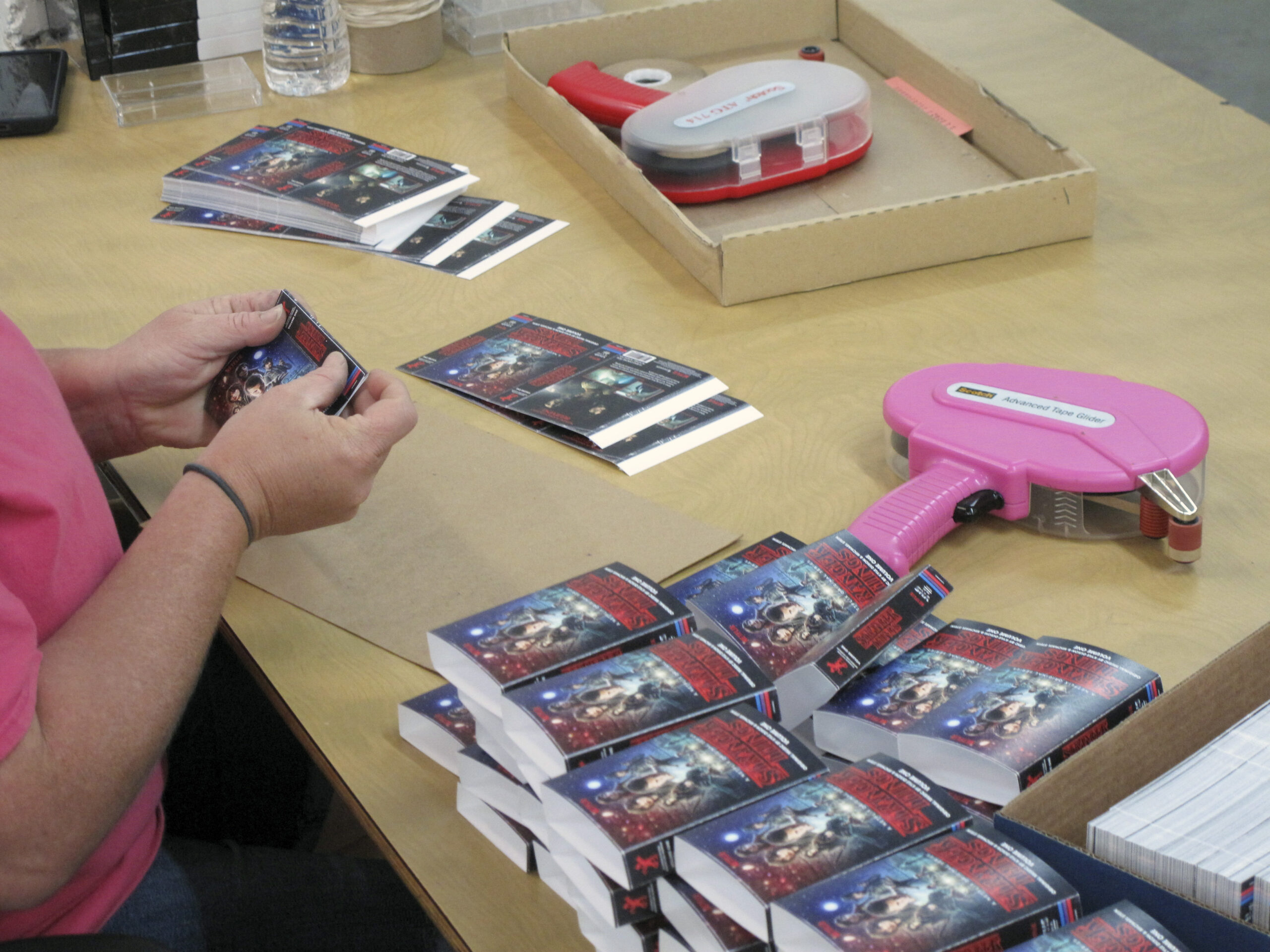
Norelco sleeves are folded and assembled by hand
The Weird and Wonderful
Over 57 years, NAC has made cassettes of just about everything imaginable. Most are music albums, from Metallica and AC/DC to independent artists releasing their first recordings. But sometimes the projects get…unusual.
There was the scientist who wanted 500 copies of “the sound of grass growing.” He’d placed a microphone in a window box with grass seeds and just let it record. When the mastering team found only ambient noise, they called to confirm. “That’s my recording,” he insisted. So we made him 500 copies of exactly what he wanted.
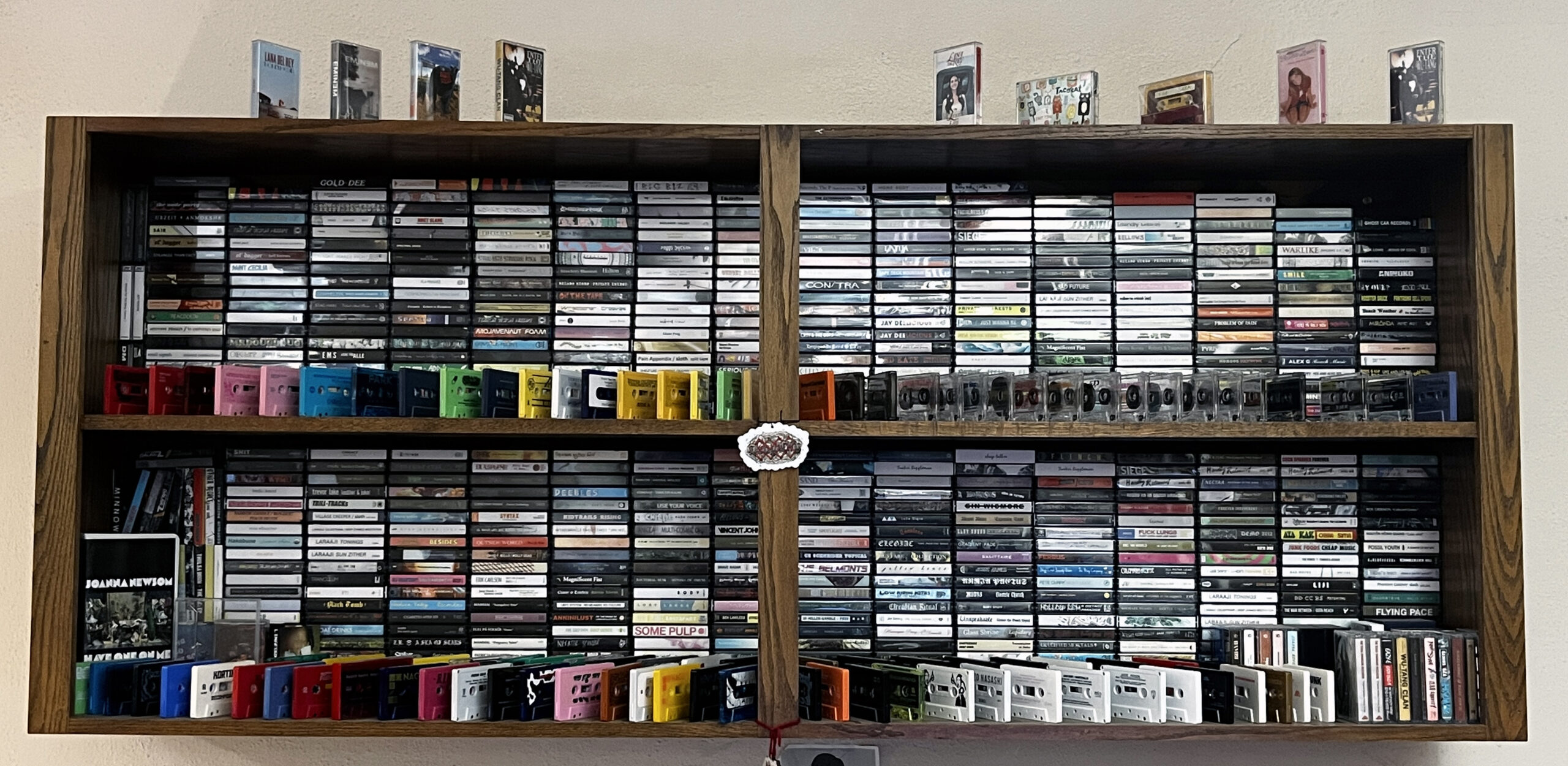
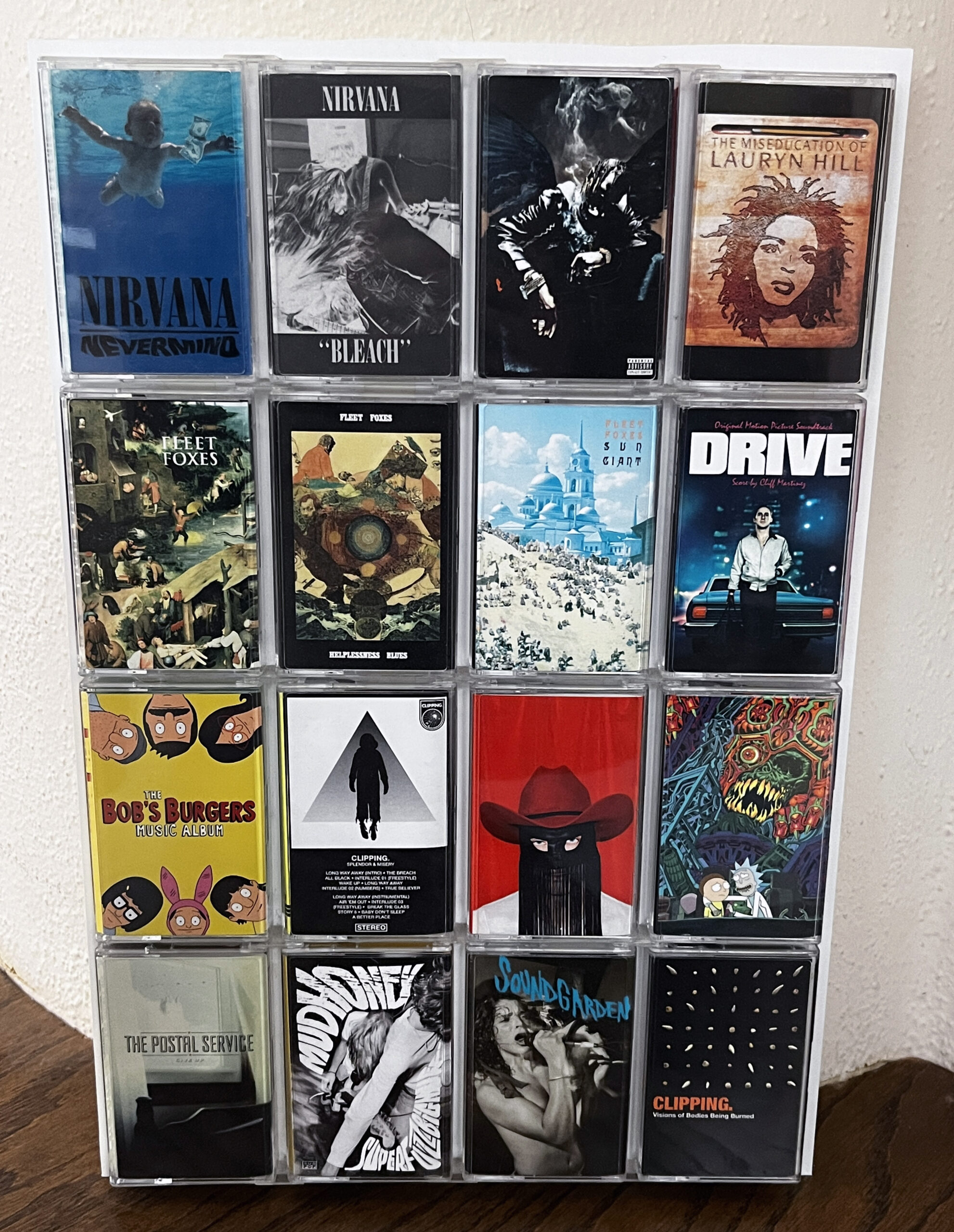
Just a few of the thousands of cassette duplication projects NAC has done
Then there was the woman who spent 45 minutes throwing ping-pong balls at acoustic guitar strings. While crying! “We’ve made everything,” Steve says. “Whatever you want recorded, we’ll make it sound the best it can sound. But we can’t create something that’s not there.”
Delivery: Getting Your Order to You
When production is complete, your order ships. For major record labels, that usually means sending pallets to a distribution warehouse. For bands and independent artists, orders ship to the band manager or directly to the artist.
Some customers come to Springfield to pick up their orders in person, especially local and regional bands who are excited to see their first cassettes come off the line. That could be you!
And for some specialized customers like Choice Magazine (an audio magazine for the blind and visually impaired), NAC receives a mailing list of thousands of addresses and ships individual cassettes directly to subscribers across the country.
However it ships, the result is the same: a professional-quality cassette that sounds just like the artist intended.
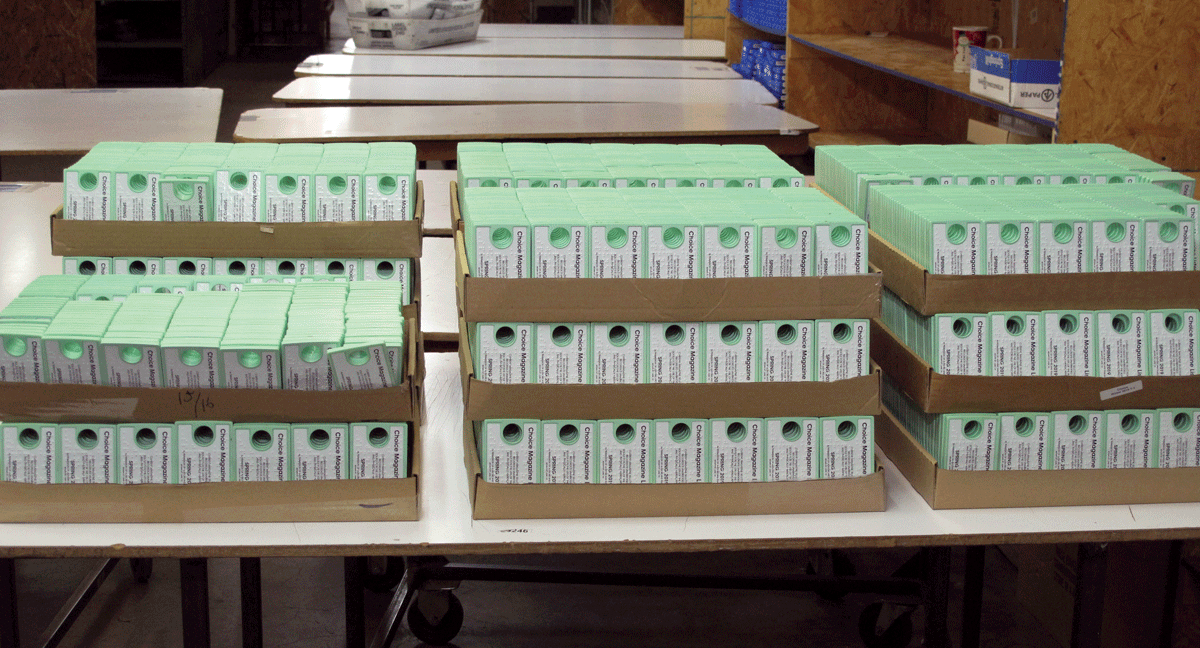
Choice Magazine digital cartridges with braille for the visually impaired
The Result
From a digital file to hundreds—or hundreds of thousands—of physical cassettes, National Audio Company knows how to reproduce your music on cassettes.
Whether you’re a major label pressing 200,000 copies of a blockbuster soundtrack or an independent musician making 100 cassettes to sell at shows, the process is the same. The expertise is the same. The commitment to true sound reproduction is the same.
It’s a process NAC has mastered. And it’s what we’ll keep doing, one master and one mixtape at a time.
Ready to make your own cassettes? Contact National Audio Company today to start your project.
Already have a project in mind? Log in or register for an account today to get started!
You’ll be hearing more from NAC.