Blog

One Spring, Many Connections

How a water source in Missouri helped give birth to Springfield, Route 66, and 200 years of American connection 

Water is a source of many things. For Springfield, Missouri—a city founded on a spring—water was the source of its growth, its prosperity, and even its name. 

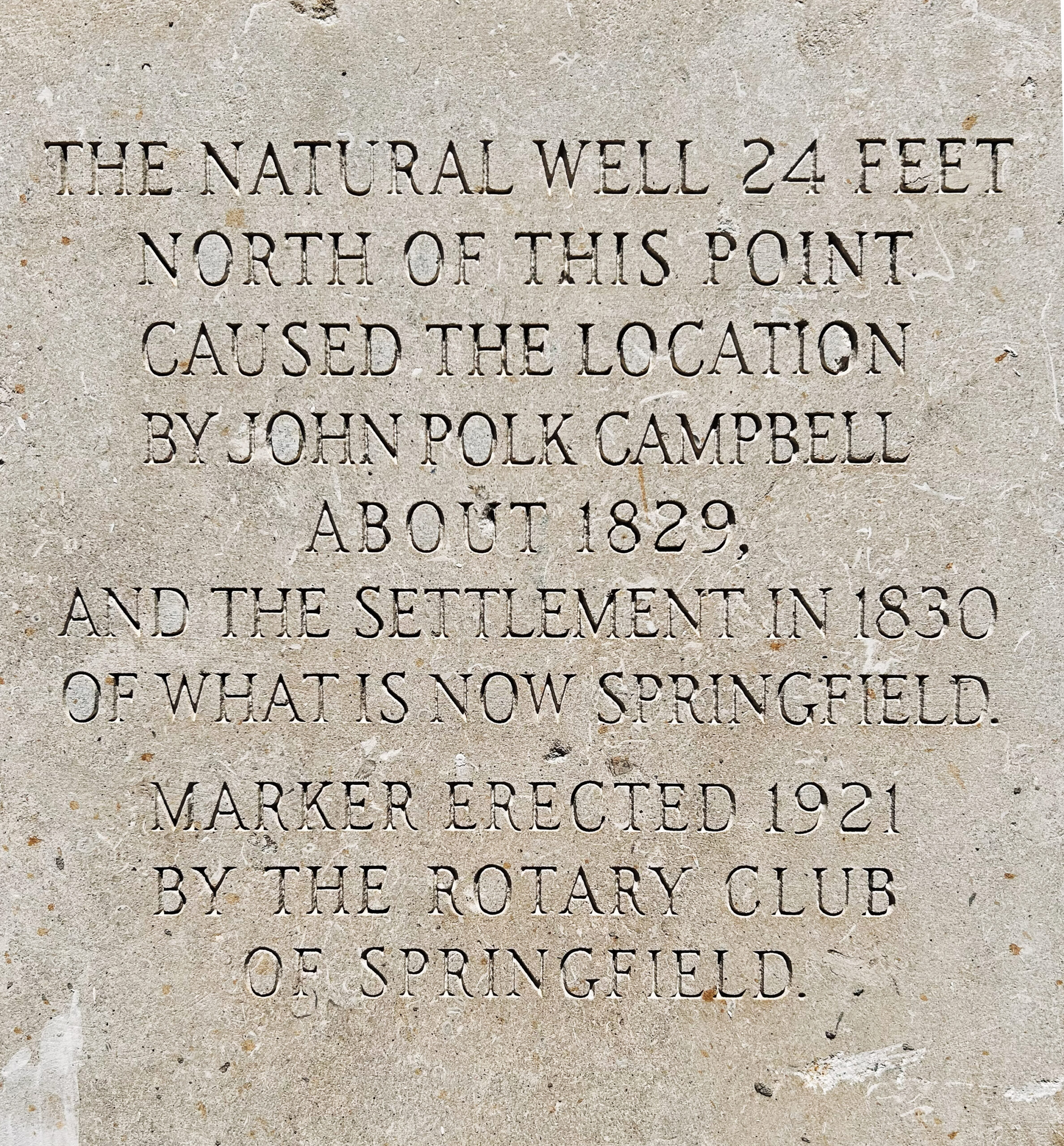
A plaque on the National Audio Company building at 309 E. Water Street reads: "The natural well 24 feet north of this point caused the location by John Polk Campbell about 1829, and the settlement in 1830 of what is now Springfield." 

A plaque on the National Audio Company building at 309 E. Water Street reads: “The natural well 24 feet north of this point caused the location by John Polk Campbell about 1829, and the settlement in 1830 of what is now Springfield.”

Today, after two centuries of urban growth, it’s overbuilt by concrete and brick, and few living Springfieldians have ever seen it. But to locals hoping to find it, a plaque on the cornerstone of an old brick building on Water Street offers a clue to its location. 

When Campbell settled at the spring, he saw the potential for a prosperous future fed by the clean, clear water of this “bottomless well.” He had no idea his actions would found the town that would become “The Official Birthplace of Route 66.” 

As America honors The Mother Road’s 100th birthday with events throughout 2026, Springfield is celebrating its role as a hub of connection for the whole country.

Learn more about the Route 66 Centennial Kickoff Celebration in Springfield.

Connected by Water

Water was everything on the American frontier. When John Polk Campbell settled at the spring, he didn’t just find water. He found a future. 

Word spread that at Campbell’s spring, the water was plentiful and the land was good. A settlement formed on its banks, which soon grew into a town. Throughout the 1800s, Springfield grew outward and upward, drawing people and commerce, becoming a crossroads for the region. 

The spring that fed the community’s thirst for growth kept flowing beneath the surface, invisible but essential, the quiet source of everything above it. From the spring itself to the many streams and rivers in the area, locals were connected by water. 

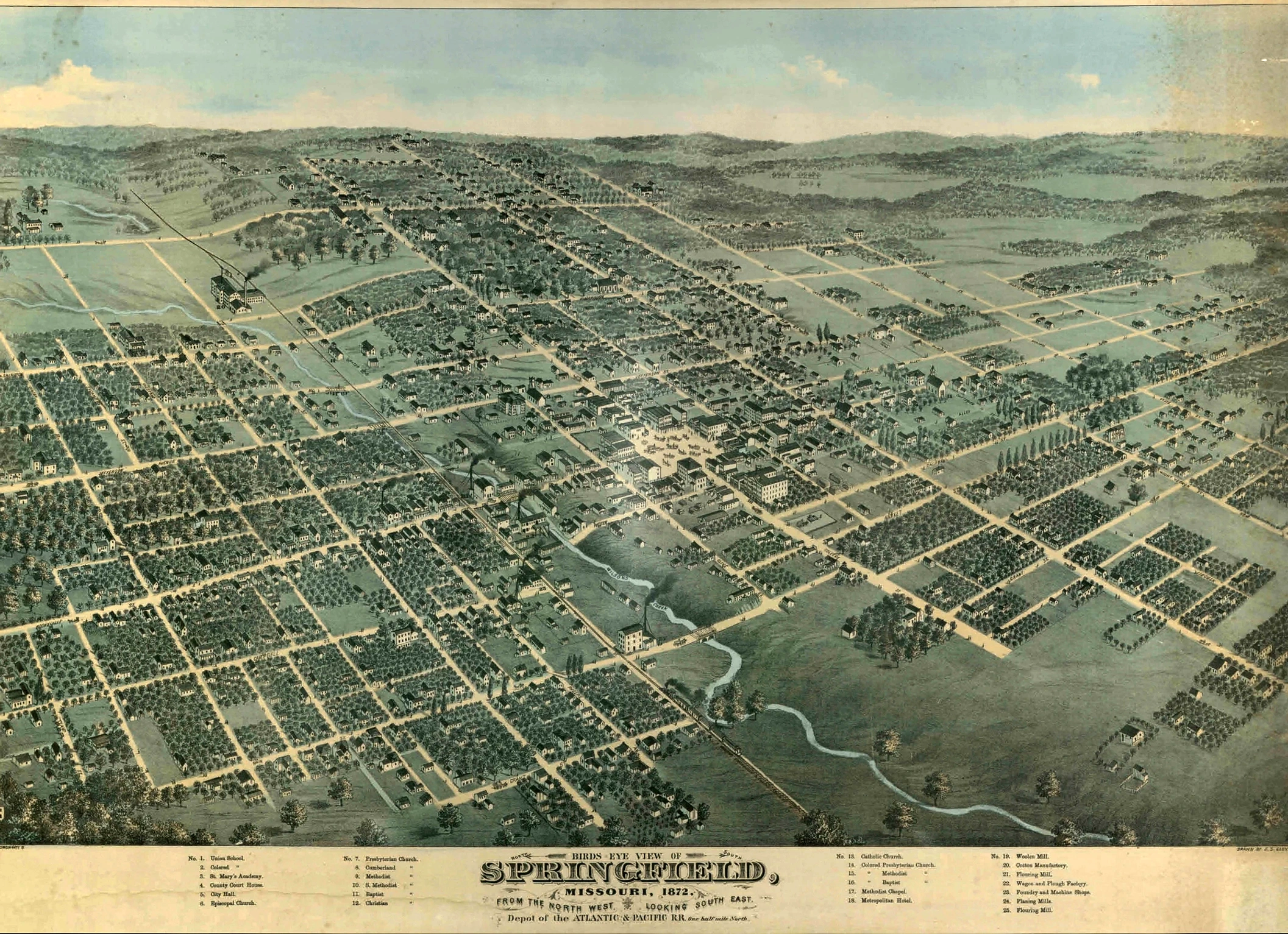
1872 bird’s-eye map of Springfield, Missouri, drawn by Eli Sheldon Glover

1872 “bird’s-eye” map of Springfield, Missouri, drawn by Eli Sheldon Glover

But times were changing, as they always do. And progress meant pavement.

“By the 1920s, the creek [was] boxed into a series of underground culverts and tunnels. Water Street was essentially rebuilt on top of this concrete box, leaving the original site of the natural well not only destroyed, but buried under layers of fill dirt, concrete, and pavement,” writes Brandon Broughton in his fascinating exploration of the spring’s history entitled The Bottomless Well of Water Street.

Americans were eager to explore the West, but traveling by water was slow and hard. Railroads would soon offer them another way to travel. But with the turn of the century, a newer and more individualized kind of transport captured the American imagination: the automobile. 

Connected by Roads

America’s waterways may have been its first highways, but the age of the automobile changed that. The country needed new ways to move people and goods across the country. The paving of America had begun.

Functionally, roads were a gamechanger. Philosophically, too. Paved pathways allowed Americans to explore their country in new ways, at their own pace. It wasn’t long before the East had plenty of them. But the West was another story. It took hard work and coordination to build and connect roads.

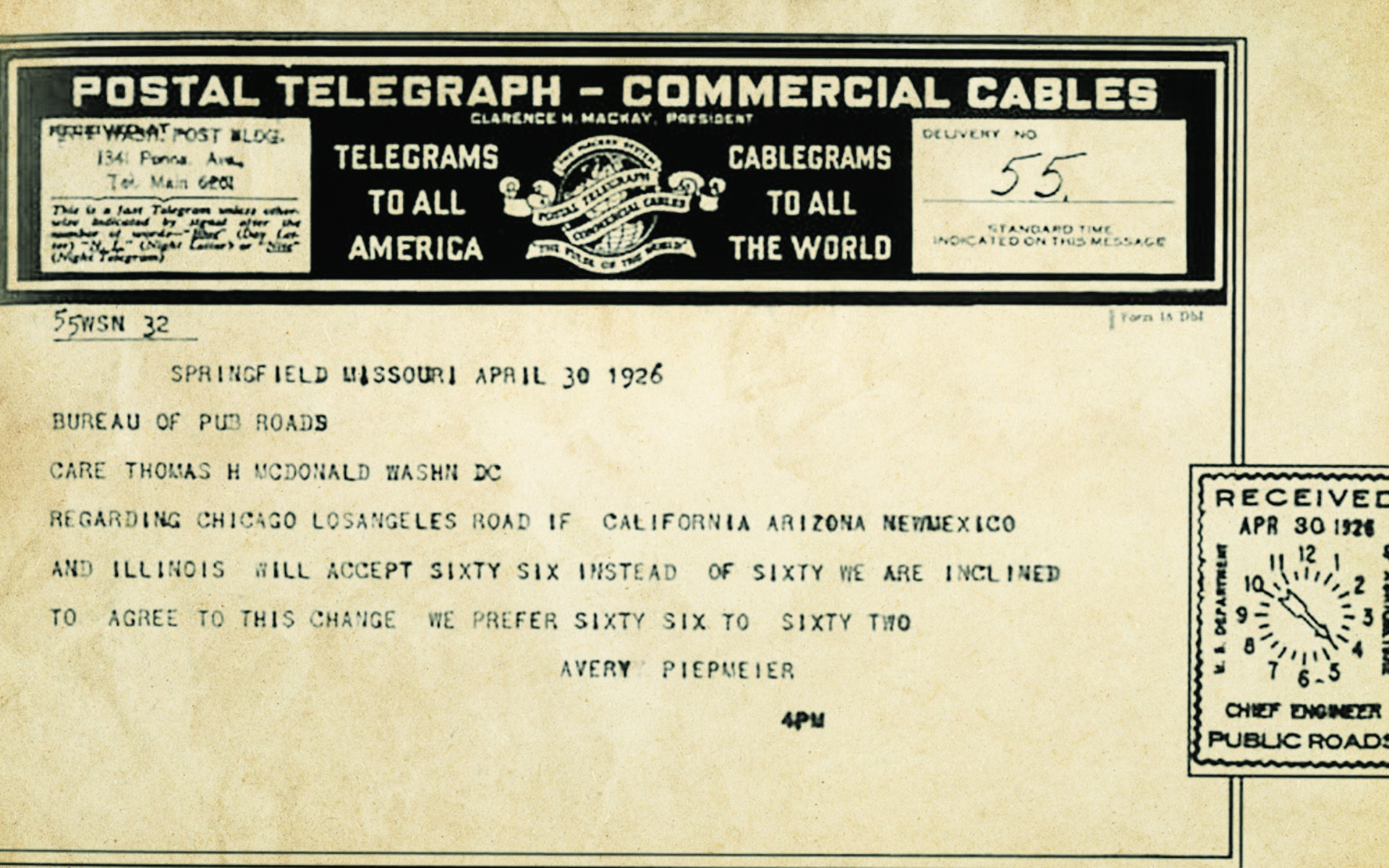
The telegraph rejecting the name Route 62 in favor of Route 66

The telegraph rejecting the name “Route 62” in favor of “Route 66”

On April 30, 1926, highway officials gathered in Springfield, MO. Their purpose was to name a new route of highways cobbled together to form a path to California. A famous telegraph was sent from these officials to the Bureau of Public Roads rejecting the name “Route 62” and establishing their preference for “Route 66” instead. The Bureau agreed, and a new era of cross-country connection was born.

Route 66 captured the American imagination, building on folks’ desire to explore the uncharted American West at their own pace, in their own way. It was an artery for transport and for social interaction.

In Grapes of Wrath, John Steinbeck famously described it this way: “66 is the mother road, the road of flight.Others called it the Main Street of America. Whatever name folks used, it was something new and yet somehow familiar: a connector, a lifeline, a road that said this way to everyone who needed a direction.

Route 66 stretched from Chicago to Los Angeles, opening portions of America not previously accessible, connecting the West to the rest of the country. Springfield, MO, was an important stop along the way. 

The Main Street of America is an important part of Springfield’s history. The traffic brought prosperity, excitement, and celebrity to the Queen City of the Ozarks. It also brought a title no other city could lay claim to: “The Official Birthplace of Route 66.

The Mother Road still runs through Springfield. On a map, you can trace its path through the city from east to west. In person, you can still drive it! Special signs along the way commemorate the road and its history.

a large sign that reads Springfield Missouri Birthplace of Route 66

As you pass through Springfield on Route 66, you’ll drive by all sorts of fascinating sights, including the newly renamed Route 66 Stadium (home to the Springfield Cardinals baseball team). Keep driving toward the square, and you’ll spot a tall brick building with “National Audio Company” painted on the side. 

In the heart of Springfield, nearly 200 years after its founding, one company is still connecting Americans…inspired by the spring that burbles beneath.

Connected by Music

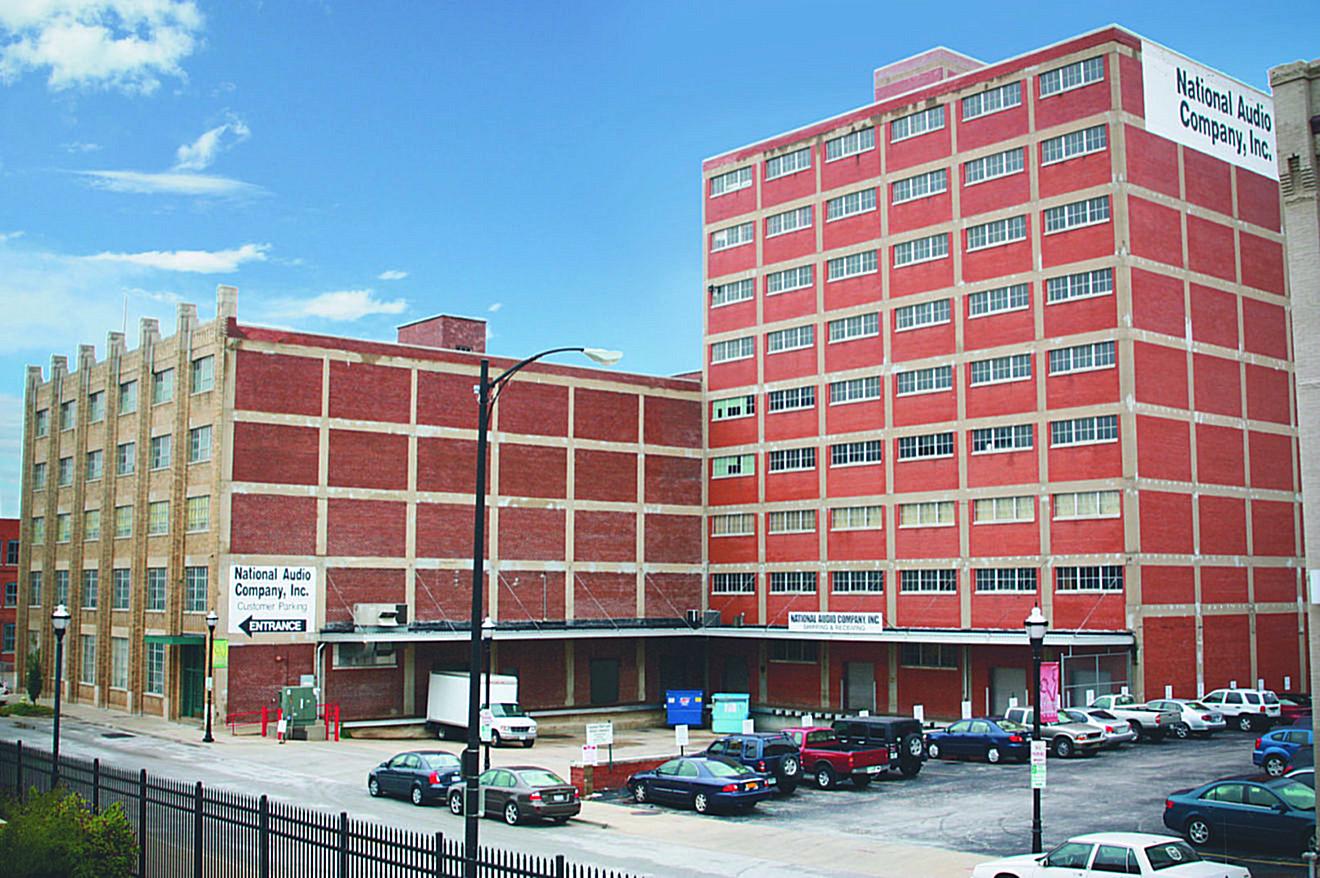
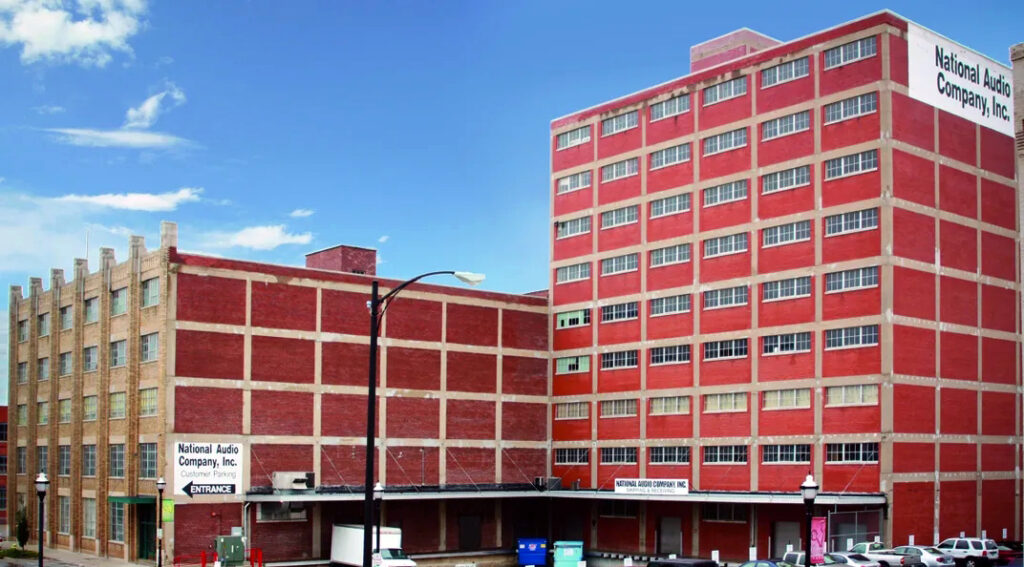
In 1882, a grand brick building was constructed in downtown Springfield. It was built on Water Street, right above Campbell’s “bottomless well.” It has been the home of several local businesses, and today is the home of National Audio Company.

National Audio Company red brick building

National Audio Company, located at 309 E Water Street, Springfield, MO

Artists and music labels around the world trust NAC with their recordings because they do something no one else can. National Audio Company is the last manufacturer in America of music-quality cassette tape. They’re the gold standard in their field.

Like the water source beneath them and the famous road that runs two blocks away, “The Great American Cassette Company” has been connecting Americans for years. It’s one of many icons along the path of Route 66 that you can still visit. And with analog music and cassettes experiencing a comeback, NAC intends to keep truckin’.

Route 66 connected Americans by road. NAC connects them through music. Both are American originals, built to last, rooted in the same city, drawing from the same deep tradition of craftsmanship and connection.

Still Flowing, Still Connecting

Route 66 just turned 100. Springfield is almost 200. But the spring predates them all. 

It’s still there, flowing and connecting, the quiet source of a Midwestern city, an iconic road, and 200 years of American connections. 

Since 1882, it’s been hiding beneath a nine-story brick building on Water Street. Since 1998, its burble has been blending with the whirr of machines making music at National Audio Company. Music that will spread from its source to entertain cassette lovers the world over.

Though the spring itself may be hidden in the basement of “The Great American Cassette Company,” it’s finally getting some love as part of a major revitalization effort in the city. You can learn more about how the city is restoring the area here: Renew Jordan Creek Project

From the spring itself to Route 66 to music, Springfield is proud of its place as a hub of connection for the whole country.

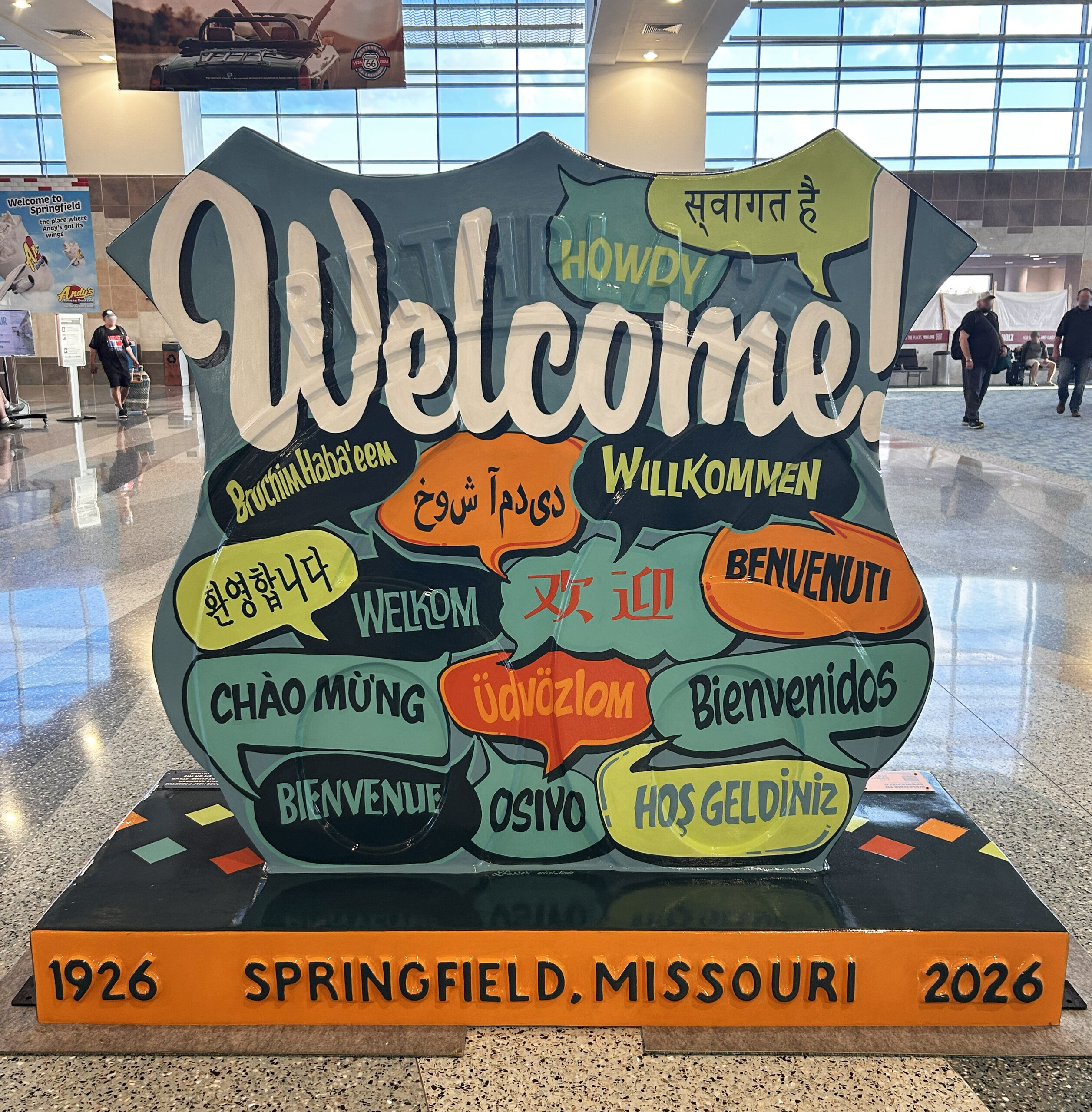
colorful welcome sign at the airport

A Route 66 sign at the Springfield-Branson National Airport welcomes travelers

Connect with National Audio Co.

Curious about the spring, the plaque, the building, or NAC itself? 

Stop by National Audio Company just off of Route 66 at 309 E. Water Street to say hello to our friendly staff…and maybe even start your own music project. 

You’ll be hearing more from NAC.

Read more...

Working with National Audio Company: Quality Products, Great People

National Audio Company has been devoted to true sound reproduction since 1969. But ask the musicians, labels, and producers who work with NAC, and they’ll tell you there’s something else that sets this Springfield, Missouri, company apart.

It’s not just the quality of the audio. It’s the character of the people.

From major record labels to independent artists, NAC treats every customer with the same respect, attention to detail, and commitment to getting it right. There’s no VIP tier. Just honest work and Midwest kindness.

We talked to four NAC customers to understand what it’s really like to work with the leading manufacturer of music-quality cassette tape in the world.


JCard art for Suzi Trash "Spirited Exaltations"

JCard art for Push And Pull Records’ latest release, Suzi Trash – “Spirited Exaltations”

The Midwestern Local: Justin Braunagel

Justin Braunagel has been part of Springfield’s music scene since 2011. A guitarist, vocalist, and multi-instrumentalist who plays in various punk and rock bands, Justin started working with NAC the way many local musicians do: he needed tapes made, and they happened to be in town.

“I help run a local record label,” Justin explains. “We primarily release tapes because they’re the most cost-effective analog copy you can have.” When he moved to Springfield, getting CDs and eventually cassettes made at NAC was an easy choice. “I lived close by, so I could come down, pick up my order, and actually talk to people. It’s a pretty easy process.”

For independent musicians, the ability to walk into the facility, see the operation, and pick up the finished product is meaningful. “Putting an album together is a lot of work,” Justin says. “The writing, the recording, the artwork, the money to put everything together. And then having it finally done, and then you hold it in your hands…that’s a special moment.”

In August 2018, Justin heard about an opening in the duplication department. He applied and got the job. Today, Justin is NAC’s Head of Duplication. He’s seen both sides of the business, as the musician holding his first demo tape, and as the person making sure every cassette meets NAC’s standards.

From that dual perspective, Justin’s assessment is clear: “If you’re serious about your music and you’re looking to have something to sell to people, this is the place to get it made.” He’s heard the alternatives. “I’ve heard tapes duplicated at a place up in Canada, and there’s really no comparison. NAC is the highest-quality place in the world to get it done.”

But beyond the technical quality, what stands out to Justin, both as a former customer and current employee, is how NAC treats people. “We treat everybody the same,” he emphasizes. 

Whether you’re Metallica or a local band pressing 50 tapes to sell at shows, you get the same process, the same care, the same expertise. That egalitarian approach is rare in any industry, but especially in manufacturing.

For Justin, working at NAC means being plugged into the music world in two ways, both playing and producing. He listens to every album that comes through. He checks every tape. He follows up on every order. It’s that level of attention to sound quality that defines the NAC experience.


double scythe logo for Possession Press

The Touring Vet: Kenny Snarzyk

Kenny Snarzyk has been making music in the heavy metal scene for 17 years. His band Fister has toured the US, Canada, the UK, and Europe. He’s run two cassette labels. He’s tried manufacturing tapes himself. So when Kenny says National Audio Company makes the best cassettes in the world, he’s not blowing smoke.

Kenny first worked with NAC about 10 years ago when his band needed tapes pressed. Later, when Fister got picked up by a label, Kenny told them: “You should get your tapes through National Audio Company.”

Cassettes fill a crucial need. “Vinyl’s very expensive,” Kenny notes. “The cassette is just a great way to have an affordable piece of physical media, especially for touring bands. Having a tape at the merch table is huge.”

A couple of years ago, Kenny and his wife Aleasha opened a screen printing shop in St. Louis called Possession Press. Last year, they expanded it into a record label as well. When they reached out to NAC for their first release, VP Phil Stepp offered to give them a tour of the facility.

“Phil gave us a two-hour tour,” Kenny recalls. “He gave me every detail. I even joked with them: ‘Now I know how you make the perfect iron oxide tape!’”

Kenny and Aleasha drove from St. Louis to Springfield expecting a modest operation. “I had no idea how big this building is,” Kenny admits. But what impressed him most wasn’t the size; it was how NAC treated them. 

That level of service reflects something Kenny noticed about NAC immediately: they embody what he calls “Missouri charm.” It’s a sort of good-natured kindness that permeates the area. 

But Kenny and Aleasha didn’t just fall in love with NAC’s hospitality. They fell in love with the product. Kenny’s experience with cassette manufacturing spans multiple continents. His band has releases from two different European record labels (one from Netherlands, one from France). The difference in quality was obvious.

“We’ve had cassettes made in Europe that do not sound as good as National Audio Company cassettes,” Kenny states flatly. “The quality is not there. It really isn’t.”

For an audiophile and touring musician who’s heard his music reproduced across every format and by manufacturers around the world, that’s an extraordinary claim. But Kenny isn’t exaggerating. He’s stating what his ears have told him over 17 years of making and listening to music.

“There is not a cassette manufacturer in the world that can match their quality,” Kenny says with conviction. “They make the best product in their field in the world.”

The relationship between Possession Press and NAC works because it’s built on mutual respect and shared values. It’s the kind of relationship that only happens when both parties genuinely care about the work and the people they’re serving.

For Kenny, NAC represents something larger than just cassette manufacturing. It’s a connection to the music community, a commitment to craft, and a reminder that good people making good products with genuine care still exist.

“We just immediately fell in love with that whole crew there,” Kenny says. “We were even joking that if we lived in Springfield, we wouldn’t even have our shop. We’d just work at NAC.”


a variety of cassette tapes laid out flat

A collection of collaborations between Sound Performance and NAC

The East Coast Insider: Arthur Nalis

Arthur Nalis is a self-professed music lover. It started early, collecting records and making cassettes, a passion that eventually pulled him toward New York City, where he’s been a music insider since the 1980s. 

Arthur built his career in distribution, accumulating 25 years of experience before landing at Sound Performance, a small but influential brokerage firm in Manhattan. From there, he can feel the rumble of the subway and the pulse of the music scene as he brokers deals for clients across America and Europe. 

Sound Performance works with big labels, tastemakers, and hitmakers who want their music on cassette and vinyl, acting as a personalized production company that manages timelines, artist needs, and all the details in between. 

For Arthur, the diversity of the work is part of the appeal. So is the staying power of the format. “Genres come and go, but cassettes stay,” he says. “At the end of the day, people are looking for something tangible, something they can hold onto. They’re supporting music by collecting.”

He trusts NAC to duplicate the music for many of the Sound Performance stable on cassette. They’ve developed a close relationship because he appreciates NAC’s clearsighted focus. 

“National Audio doesn’t get distracted,” he says. “They’re meat and potatoes. Their focus is audio quality and service. Knowing who you are and what you do well and then staying in your lane, that produces longevity.”

In an industry full of vendors who overpromise and underdeliver, that kind of consistency is rare and valuable. “NAC keeps it real,” Arthur says. “They don’t make promises they can’t keep.” 

But what Arthur values most is the relationship. “They’re like family,” he says. “They’re a partner we rely on.” And the service is personal. “I know when I call, they’ll answer.”

Working with Steve and Phil over the years has given him something he doesn’t take for granted. “Over the years, I’ve met some great people. It’s people like Steve and Phil that make it feel like it’s part of a family. That shared passion is contagious, and when you talk to people who understand, it’s cathartic.”


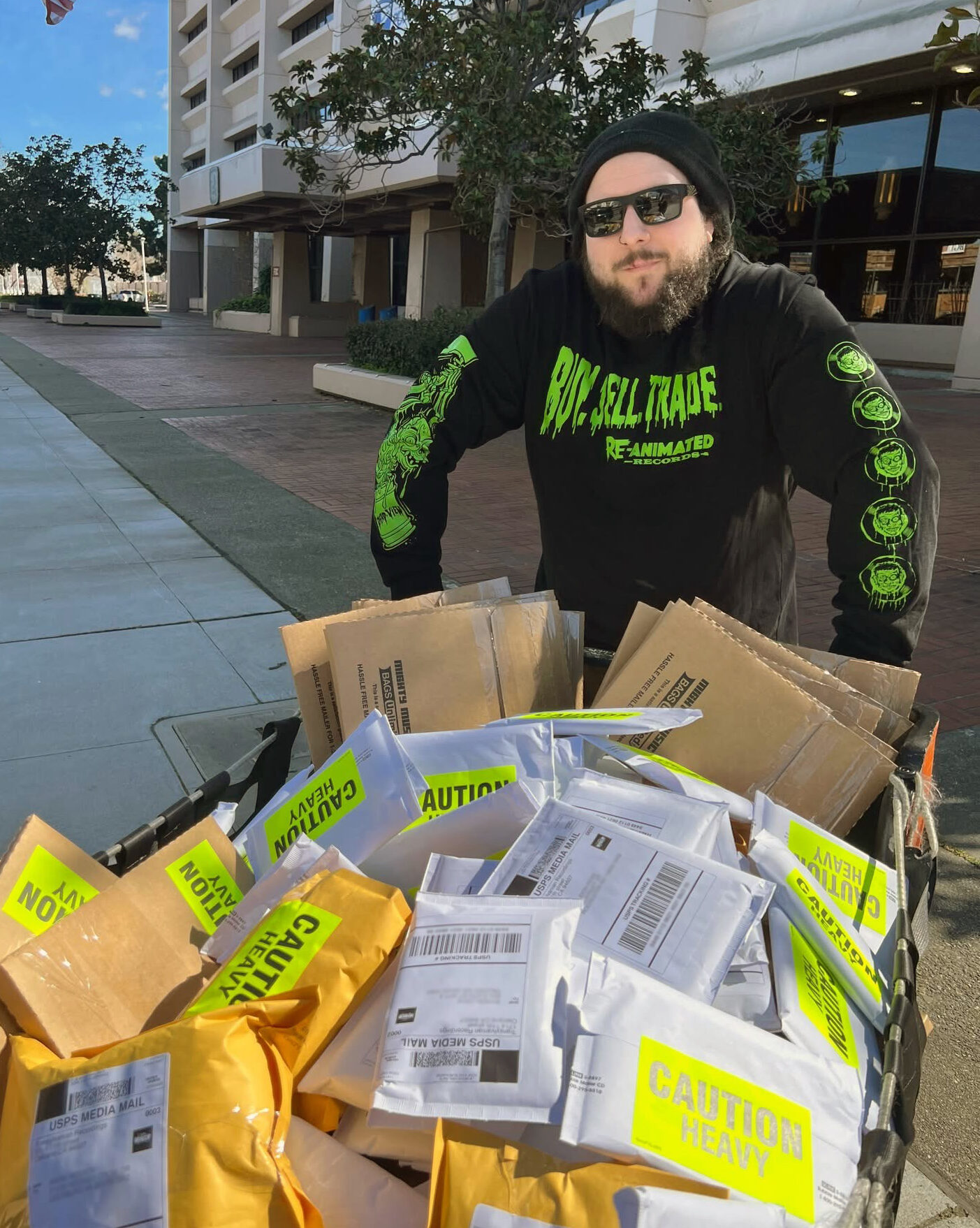
James Rauschenberg with a cart full of packages

James rolls in with a HEAVY shipment of fresh sounds

The West Coast Pro: James Rauschenberg

James Rauschenberg has been working with National Audio Company for nearly two decades. As the founder of Transylvanian Recordings in Oakland, California, he’s completed roughly 300 cassette projects with NAC over the years. 

“I’ve worked with every single cassette manufacturer in the Americas,” James explains, “and there’s only one that I really stick with.”

That experience gives James a perspective few others can claim. And he’s made his choice clear.

“My favorite thing about National Audio: despite the fact that they are the largest operation, they are the only ones at any given time I can pick up the phone and call them and talk to somebody,” James says. “Their customer service is second to none.”

For James, accessibility matters. “Even though they have these big massive clients that work with them, they’ll still answer the phone or respond to me…that’s priceless.”

But customer service alone doesn’t keep James coming back year after year, project after project. It’s the combination of service and quality that sets NAC apart. “In over 300 projects, I can’t think of any mistakes that have happened,” James reflects. “They are just the best at what they do.”

The proof of that commitment came when James worked with another pressing plant and the customer service was so poor that he pulled all his projects and resubmitted them to NAC. “I ate the pressing costs from the other place and paid for it again, just to have it done correctly through National,” he says. 

He literally paid twice to get NAC quality.

When people ask James for advice about cassette manufacturing, he’s blunt: “I give them a full perspective of every single pressing plant. I’m like, if you want the best…stop dubbing your own cassette tapes at home. Stop giving yourself carpal tunnel folding J-cards and just let the pros at National Audio do it for you.”

He’s sent countless labels and bands to NAC over the years. James trusts NAC completely. That trust is built on something concrete: sound quality. 

“When they say they have ‘music quality tape,’ they actually can stand by that,” James says. “Every other pressing plant on the planet does not have that ability. They manufacture the tape, and that is not available anywhere else. Everyone else is importing the tape that they load onto their cassettes.

But perhaps the most striking validation of NAC’s quality comes from James’s international distribution partners.

“One of my distributors and partners is in Australia,” James says. “He has worked with them, and you know what he has me do? He has me order cassette tapes for him through National Audio and then send them to Australia so he doesn’t have to work with them because the cassette tapes sound like crap out there.”

Let that sink in. An Australian distributor pays to have cassettes manufactured in Springfield, Missouri and shipped halfway around the world rather than use the cassette manufacturer in his own country.

“National is just above and beyond,” James says simply. “They are the gold standard.”

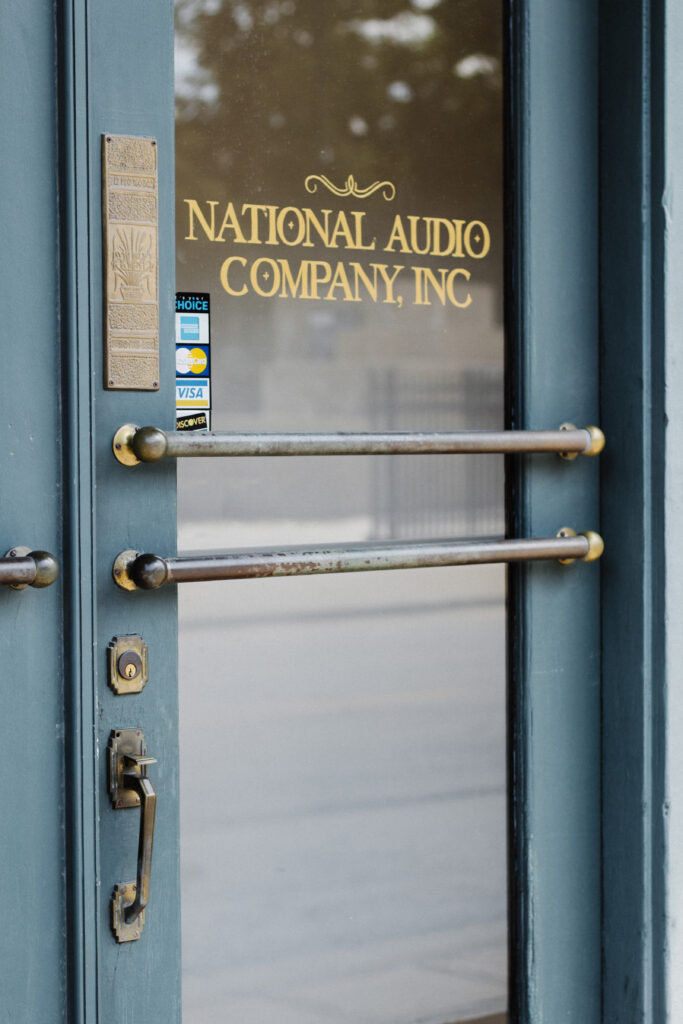
the vintage green and brass front door of National Audio Company

The Common Thread

Four different customers. Four different paths to National Audio Company. With each, the message is clear: working with NAC is as good as it gets. 

Indie bands producing their first demo tape and major labels ordering 200,000 more cassettes get the same expertise, respect, and commitment to true sound reproduction.

That’s just how NAC does business. And it’s why musicians, labels, and producers of all kinds trust National Audio Company with their music.

Contact National Audio Company today to start your project.

You’ll be hearing more from NAC.

Read more...

From Master to Mixtape: Part 2

Now that your duplication project has made it through the proofing and mastering process, let’s take a peek behind the curtain to see the magic our production team works to bring your project to life and get it into your hands!

Production: Where It All Comes Together

With the bin master complete and the artwork approved, the project moves to the production floor.

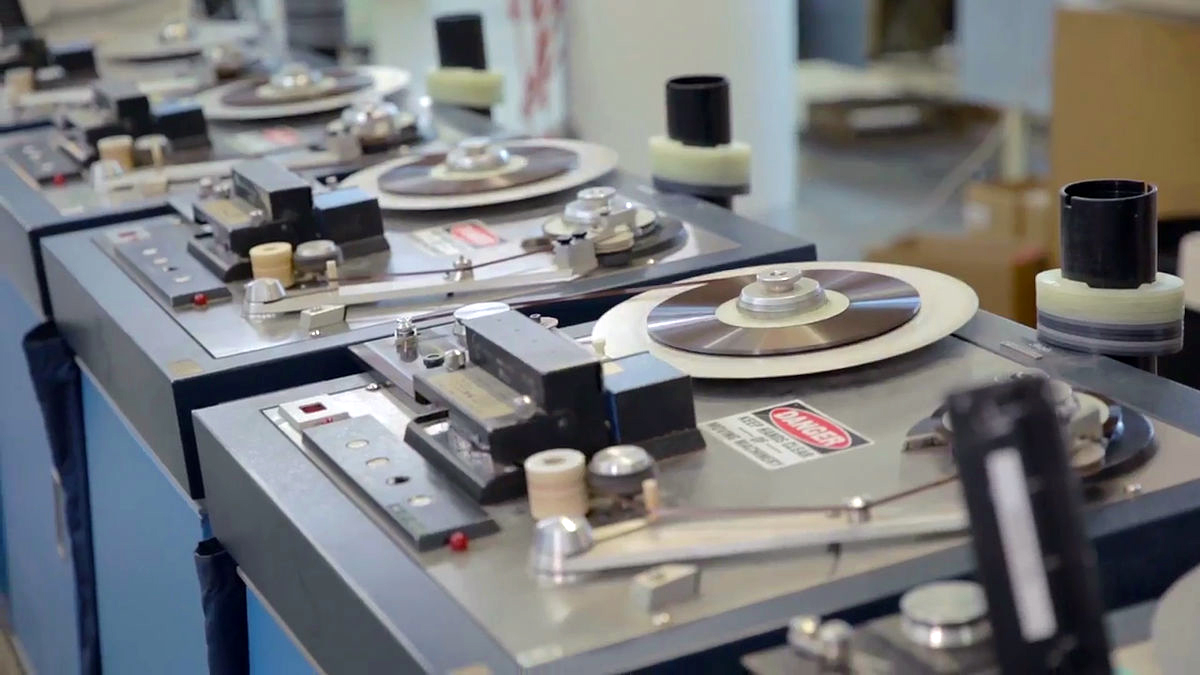
The digital bin master is loaded into the duplication line. It doesn’t sit there and play the whole time. Instead, it loads into memory and plays from there, controlling the reel-to-reel slaves that actually record the tape. This is why the process is so fast. The machines aren’t playing in real time; they’re duplicating at 80-times playback speed.

High-speed duplication machines

High-speed duplication machines

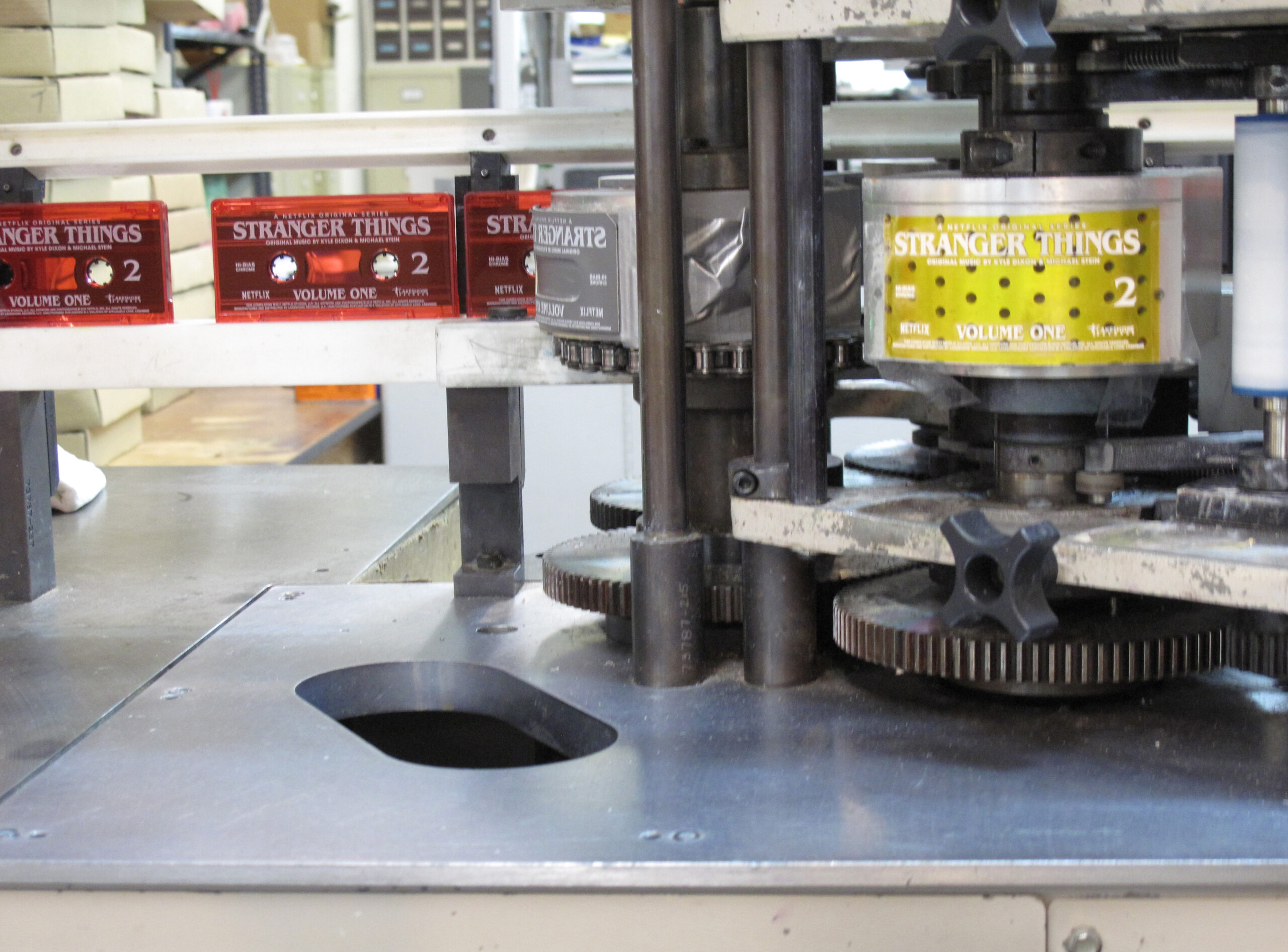
If customers choose imprinting rather than printed paper labels, NAC’s ultraviolet dry offset imprint machines apply ink directly to the cassette shell. The design can be anything you want: band name, album name, song titles, or just an abstract design—the choice is yours. The process is similar to a stamp, with ink rolled onto a plate and then transferred to each cassette (at the rate of one per second) as it runs through the machine.

a cassette imprinting machine with Stranger Things cassette tapes

Cassettes are imprinted using customized polymer plates and UV ink

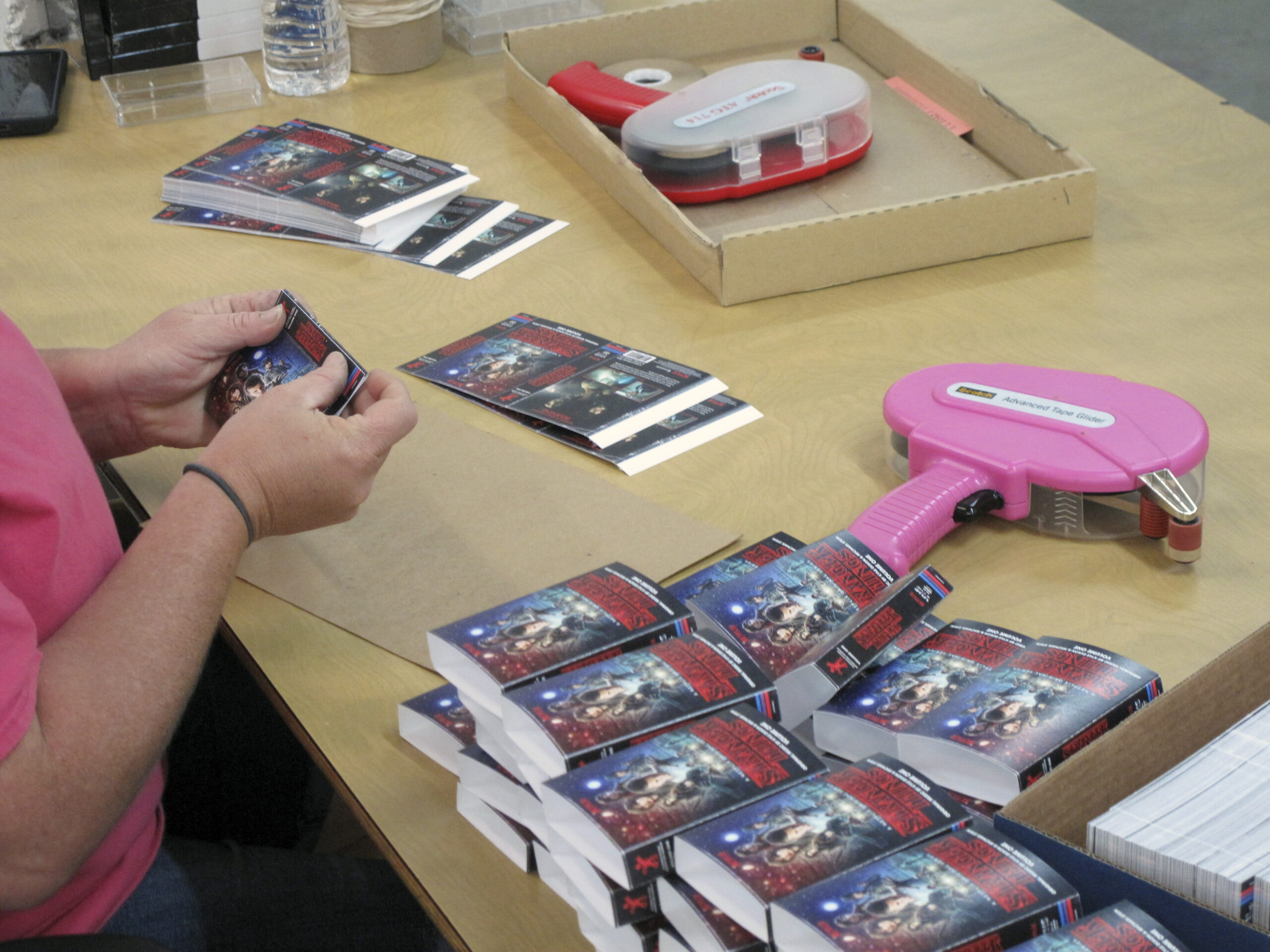
Meanwhile, the production team is assembling J-cards or O-cards, applying them to the cassette cases. Most orders get wrapped in cellophane for that fresh, sealed look, while others get custom packaging. Check out some of our most popular packaging options here.

Norelco sleeves are folded and assembled by hand

Norelco sleeves are folded and assembled by hand

The Weird and Wonderful

Over 57 years, NAC has made cassettes of just about everything imaginable. Most are music albums, from Metallica and AC/DC to independent artists releasing their first recordings. But sometimes the projects get…unusual.

There was the scientist who wanted 500 copies of “the sound of grass growing.” He’d placed a microphone in a window box with grass seeds and just let it record. When the mastering team found only ambient noise, they called to confirm. “That’s my recording,” he insisted. So we made him 500 copies of exactly what he wanted.

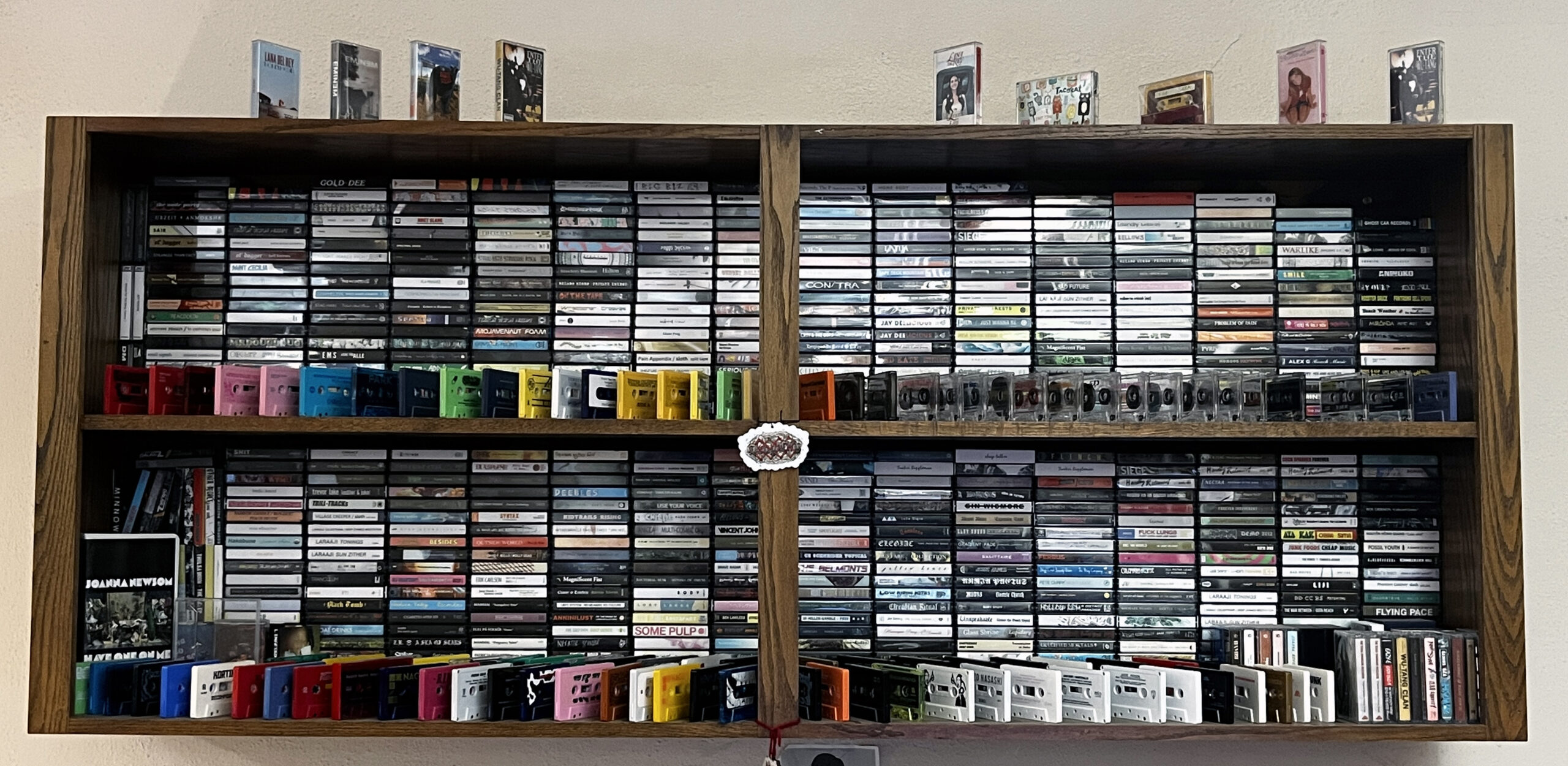
a shelf filled with various cassette tapes

Just a few of the thousands of cassette duplication projects NAC has done

Then there was the woman who spent 45 minutes throwing ping-pong balls at acoustic guitar strings. While crying! “We’ve made everything,” Steve says. “Whatever you want recorded, we’ll make it sound the best it can sound. But we can’t create something that’s not there.”

Delivery: Getting Your Order to You

When production is complete, your order ships. For major record labels, that usually means sending pallets to a distribution warehouse. For bands and independent artists, orders ship to the band manager or directly to the artist.

Some customers come to Springfield to pick up their orders in person, especially local and regional bands who are excited to see their first cassettes come off the line. That could be you!

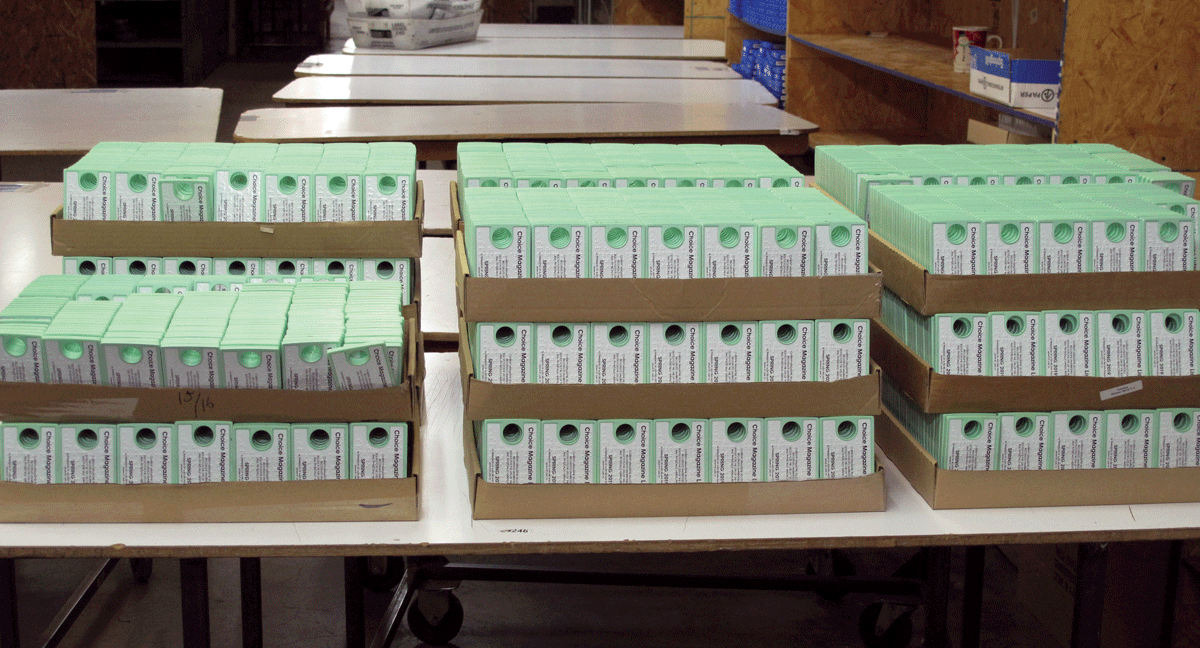
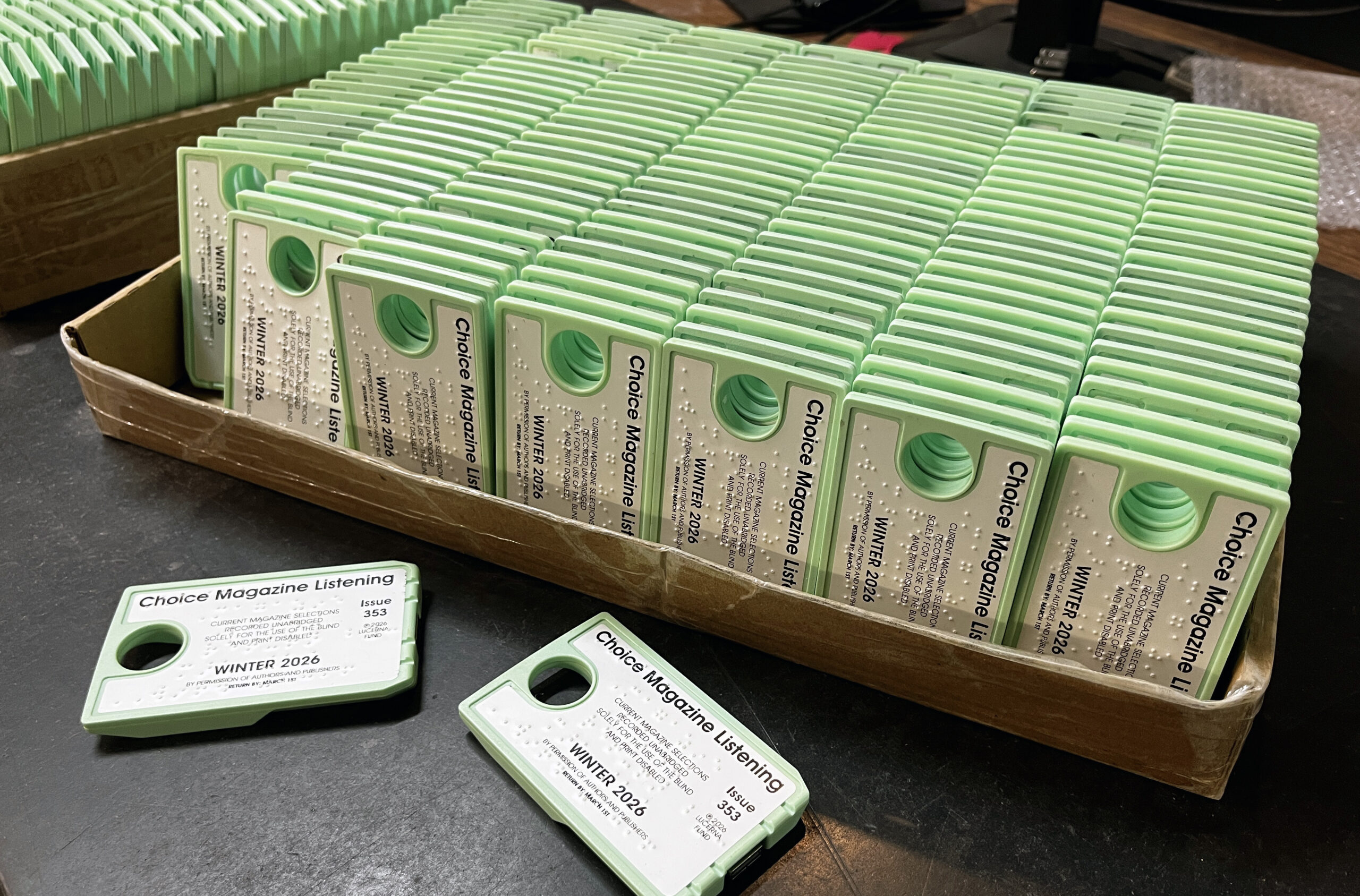
And for some specialized customers like Choice Magazine (an audio magazine for the blind and visually impaired), NAC receives a mailing list of thousands of addresses and ships individual cassettes directly to subscribers across the country.

However it ships, the result is the same: a professional-quality cassette that sounds just like the artist intended.

 digital audio book cartridges with braille for the visually impaired

Choice Magazine digital cartridges with braille for the visually impaired

The Result

From a digital file to hundreds—or hundreds of thousands—of physical cassettes, National Audio Company knows how to reproduce your music on cassettes.

Whether you’re a major label pressing 200,000 copies of a blockbuster soundtrack or an independent musician making 100 cassettes to sell at shows, the process is the same. The expertise is the same. The commitment to true sound reproduction is the same.

It’s a process NAC has mastered. And it’s what we’ll keep doing, one master and one mixtape at a time.

Ready to make your own cassettes? Contact National Audio Company today to start your project. 

Already have a project in mind? Log in or register for an account today to get started!

You’ll be hearing more from NAC.
Read more...

From Master to Mixtape: Part 1

There’s something special about playing and making music, and something even more special about having that music played back on a professionally recorded cassette. For musicians, holding that first “demo tape” in their hands is a dream come true. 

At National Audio Company, the last manufacturer of music-quality cassette tape on earth, we live to make those moments happen. But how does one master tape turn into hundreds of professionally produced cassettes?

It begins when a WAV file arrives via WeTransfer. Artwork follows in a separate upload. An independent band in Brooklyn, or a major label in Los Angeles, is about to see their recording become real, tangible cassettes they can hold, sell, and share with fans.

What happens next? Let’s walk through the journey from digital file to finished cassette at National Audio Company.

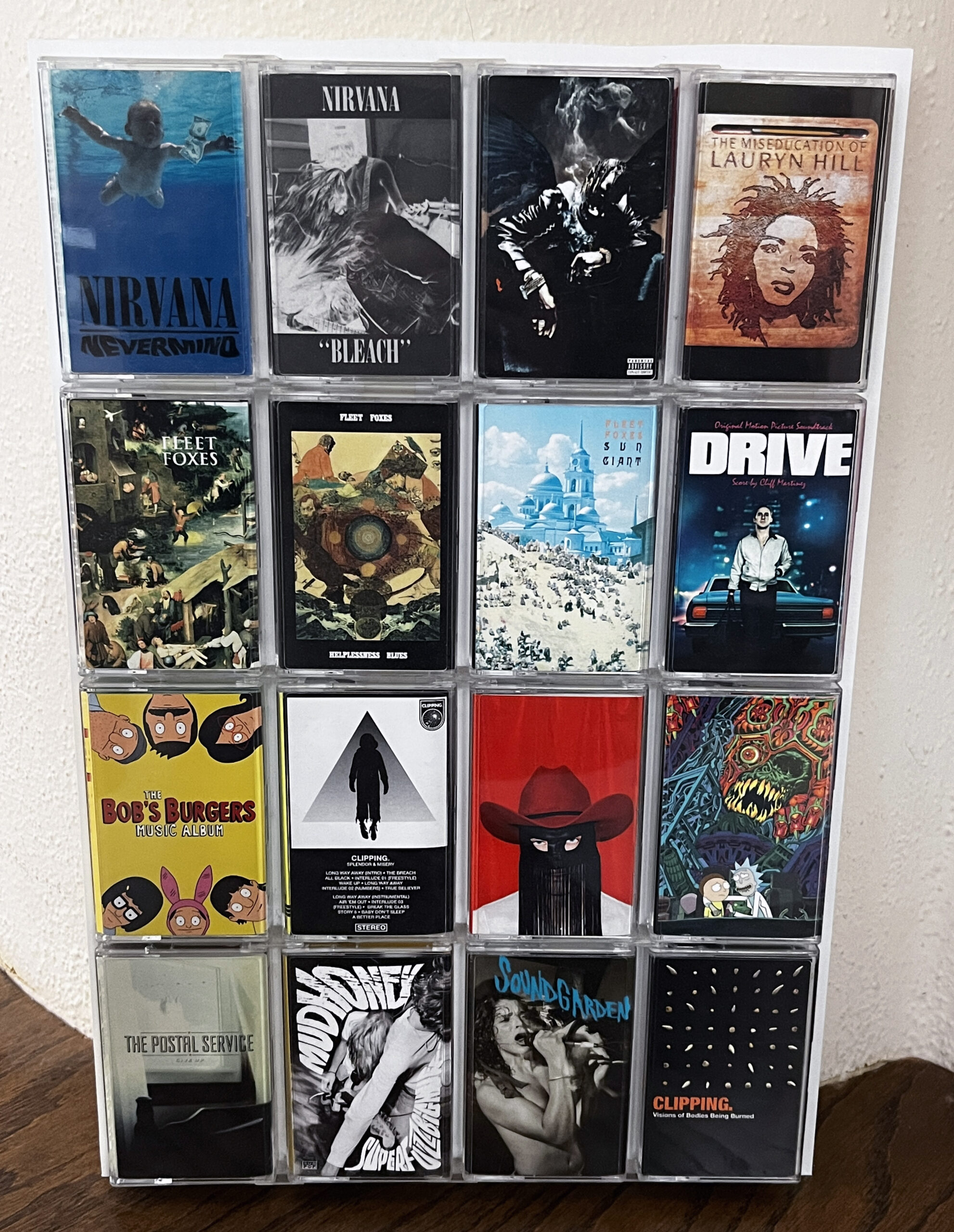
a display of 16 cassette tapes

A selection of previous duplication projects

Everything In Order: The Setup

Before any work begins, NAC needs three things: 

  1. Your audio files
  2. Your artwork
  3. Your payment 

It’s a policy learned over decades of custom manufacturing; once we start making your cassettes, they’re yours. We can’t repurpose them for anyone else.

The audio arrives as a digital file, ideally a WAV file or an AIFF file (for Mac users) since both formats preserve the full quality of your recording. We can also work with a reel of tape, a CD, and even vinyl if you’re willing to accept some surface noise.

The artwork comes next, usually JPEGs or Adobe files. Our cassette art templates show you exactly where the margins are, where the fold lines fall, and what your finished J-card or O-card will look like.

Finally, you fill out an Individual Property Release form (IPR), confirming you own the rights to duplicate and distribute this recording. You also provide a track list for sides A and B, and select your options from the order form: 

  • How many copies? 
  • What kind of packaging? 
  • Imprint or paper labels? 
  • Cellophane wrap?

Every choice affects the price, which is why there’s no simple “$2.71 per cassette” answer. Everything at NAC is customized.

Once our Cassette Projects Coordinator Jessica downloads all three forms (audio, artwork, and paperwork) and payment is received, she creates a project folder, assigns it a number, and the real work begins.

The Graphics Team: Making It Look Right

Our team of graphic artists get the artwork files and start refining them for production. They check color balance, make sure fonts are legible, look for spelling errors (a must!), and ensure everything stays within the template boundaries so nothing gets cut off in the final product.

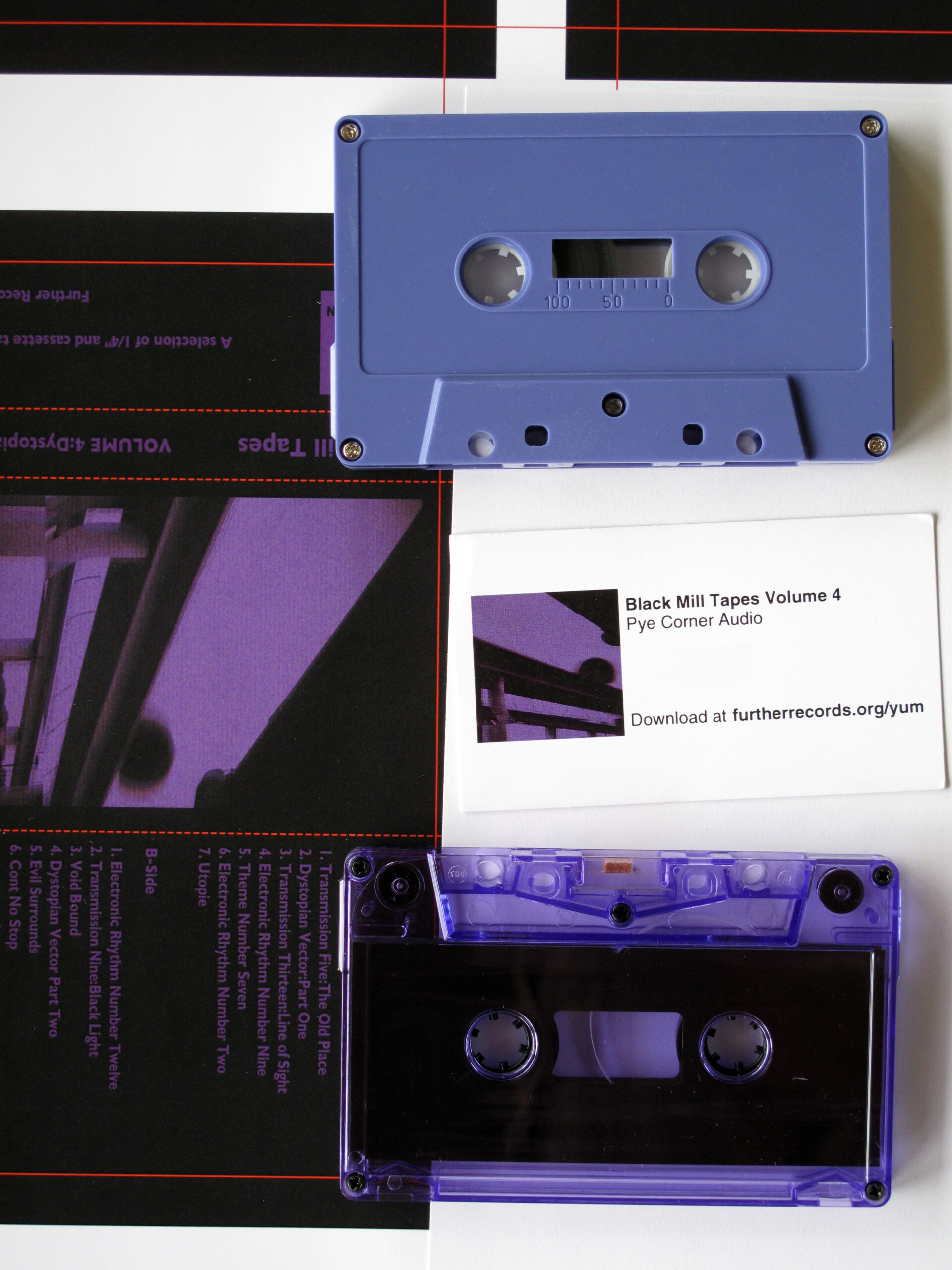
two purple cassette tapes

Color matching the print to the chosen shell colors

NAC uses Adobe Photoshop and Illustrator to prepare and proof art files. We print all files in CMYK (Cyan, Magenta, Yellow, and Black) but our graphic artists can match specific Pantone colors using swatch books or match your art to your chosen cassette shell color. Physical proofs of the artwork can also be requested and mailed to you for approval to ensure the final product is exactly how you envision it.

Once the graphics team has optimized your artwork, NAC sends you a PDF showing exactly what your finished product will look like, complete with template lines so you can see where it folds and where it gets cut.

This is your chance to make changes. Catch a typo? Want to adjust a color? No problem. Just send revised artwork and NAC will proof it again. But once you approve that final proof, production moves forward.

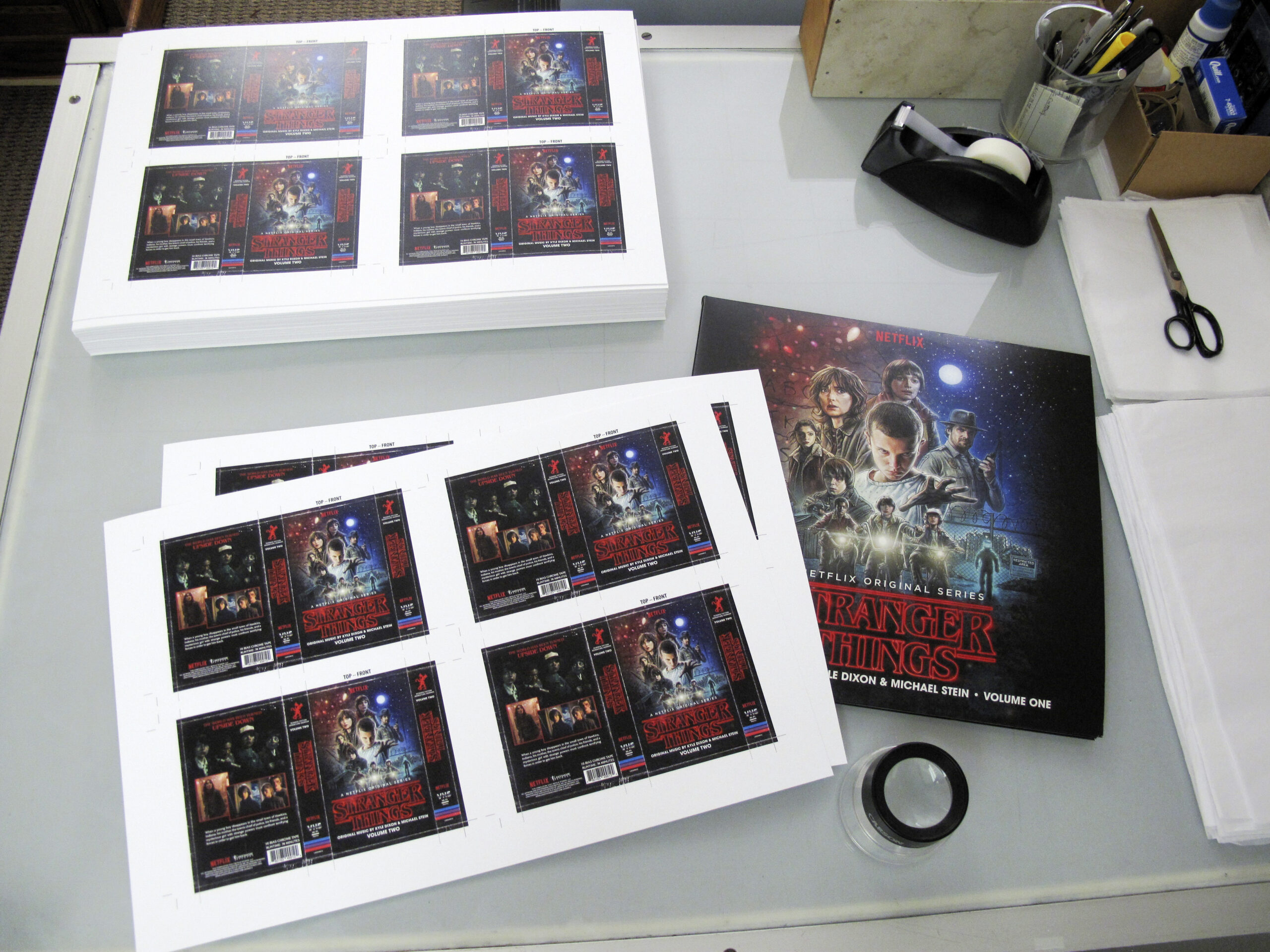
Stranger Things cassette tape and vinyl record laying on a table

Matching the cassette prints to the vinyl packaging

For larger orders, especially from major labels, NAC also offers test tapes for $5 or test pressings for vinyl at $75. You get a physical sample with the actual audio before the full run begins, so there are no surprises when your order arrives.

The Mastering Magic: Remastering for Analog

While the graphics team works on the visuals, NAC’s three mastering engineers are working on the audio. Most projects take about 45 to 60 minutes to complete, though some complex projects take a lot longer.

Head of Audio Mastering Alex Crisman explains the challenge: “It’s such a thin piece of tape, getting it on there without any distortion or saturation is tricky.” If you played a digital file straight from a CD onto cassette tape, it would be so distorted it would sound terrible. The mastering process bridges that gap.

Our engineers load your WAV file into Adobe Audition and other specialized programs. What they’re really doing is remastering your digital file specifically for analog cassette recording. Digital and analog are fundamentally different formats, and each cassette requires careful optimization.

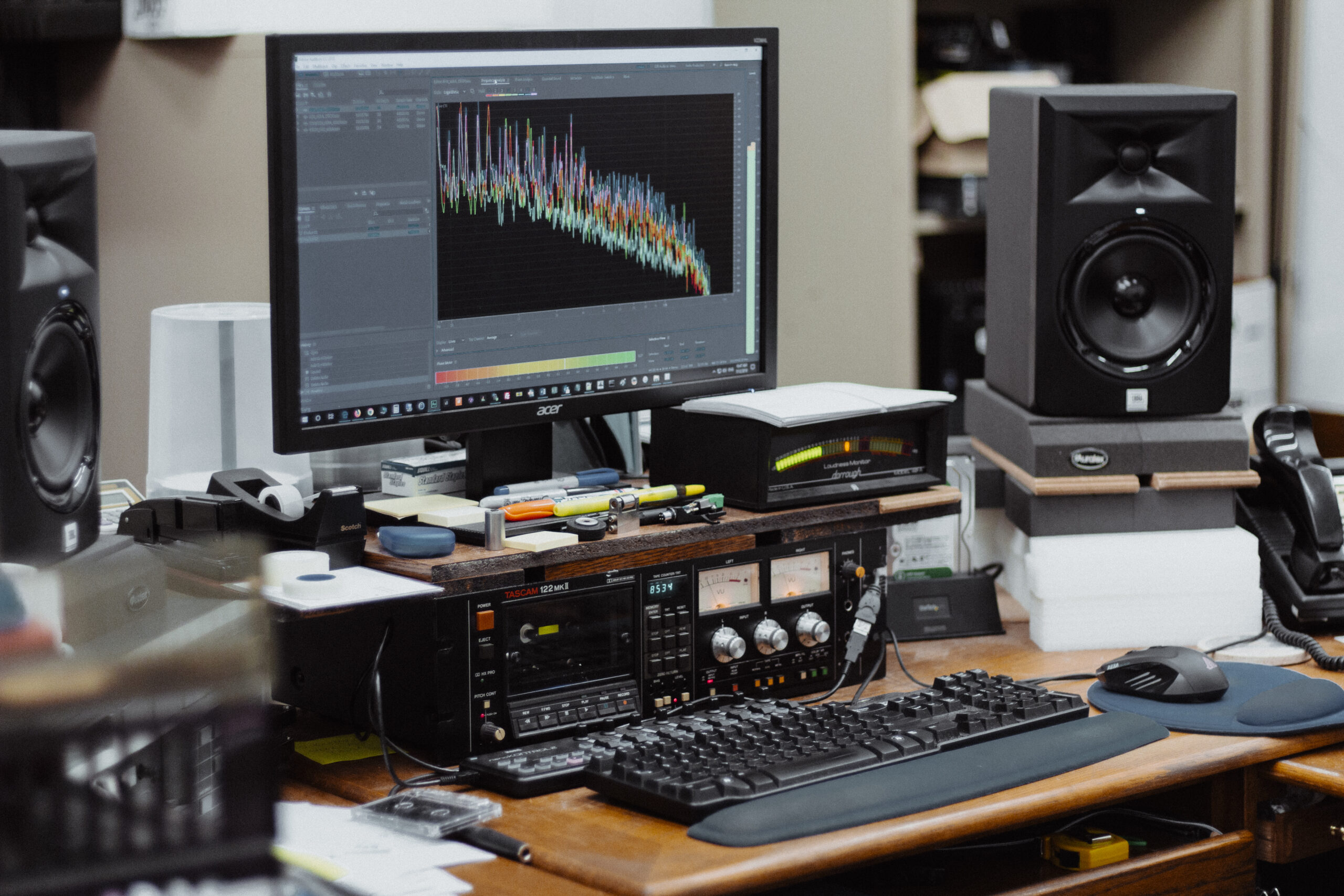
The process is both visual and auditory. “Most of it is audio, but the visual is helpful,” Alex explains. “You can see what it’s doing, but you have to hear it.” The software displays a graphical representation of the sound waves, making it easier to spot frequencies that might cause problems. But the engineers’ ears are the final judge.

a computer monitor with soundwaves

The audio mastering process

Here’s what happens: Digital files can only have one data bit per recording interval, usually measured every five milliseconds. That means digital recordings can’t truly capture harmonics the way analog tape can. Tape records everything happening in that moment simultaneously. Digital takes snapshots.

NAC’s mastering engineers create a master by analyzing your audio and using processes within the DAW to bring it in line with in-house reference levels. Then, it’s loaded into the digital bin.

The engineers filter out frequencies that cassette tape can’t reproduce well. Anything over 17,000 Hz gets removed – most cassette decks can’t play it back anyway, and human hearing tops out around 20,000 Hz. Anything below 40 Hz gets filtered out as well, with a gentle slope starting around that threshold.

They also add an inaudible cue tone, around 3 Hz at minus 20 decibels, at the end of each recording. This low, quiet tone tells NAC’s duplication machines exactly where an album starts and ends, and tells the loading machines where to cut and splice the tape into a cassette shell.

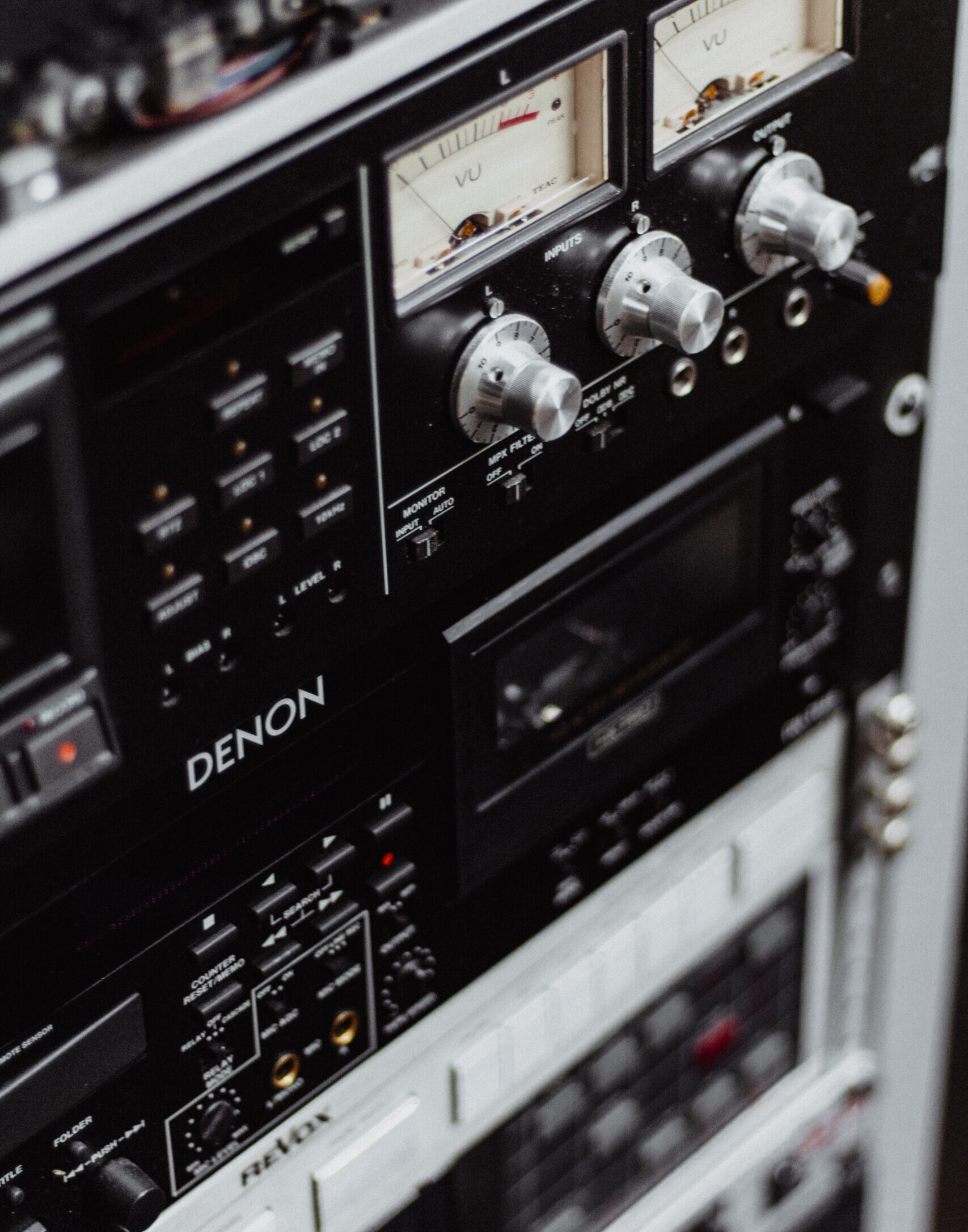
Denon and Revox audio equipment

The goal throughout this process? “We don’t want anybody to know that we’ve done anything,” Alex says. “Any filtering or compression we’ve done really shouldn’t be too audible.” The art is making it sound natural while optimizing it for the cassette format.

Some projects are straightforward, a rock band might just need the levels adjusted and frequencies filtered. But noise music projects, with their extreme dynamics and frequencies, can require more extensive work. “Sometimes you kind of have to finesse it, because there’s no way this stuff will go on there,” Alex explains. “You have to be a little more creative.”

Whether it’s a major label or an independent artist, the process is identical. “We treat everybody the same,” Alex says. “Every project’s treated the same.”

The result is the digital bin master, a specialized file optimized for analog cassette duplication. This master is burned onto a data disc and also saved on NAC’s server.

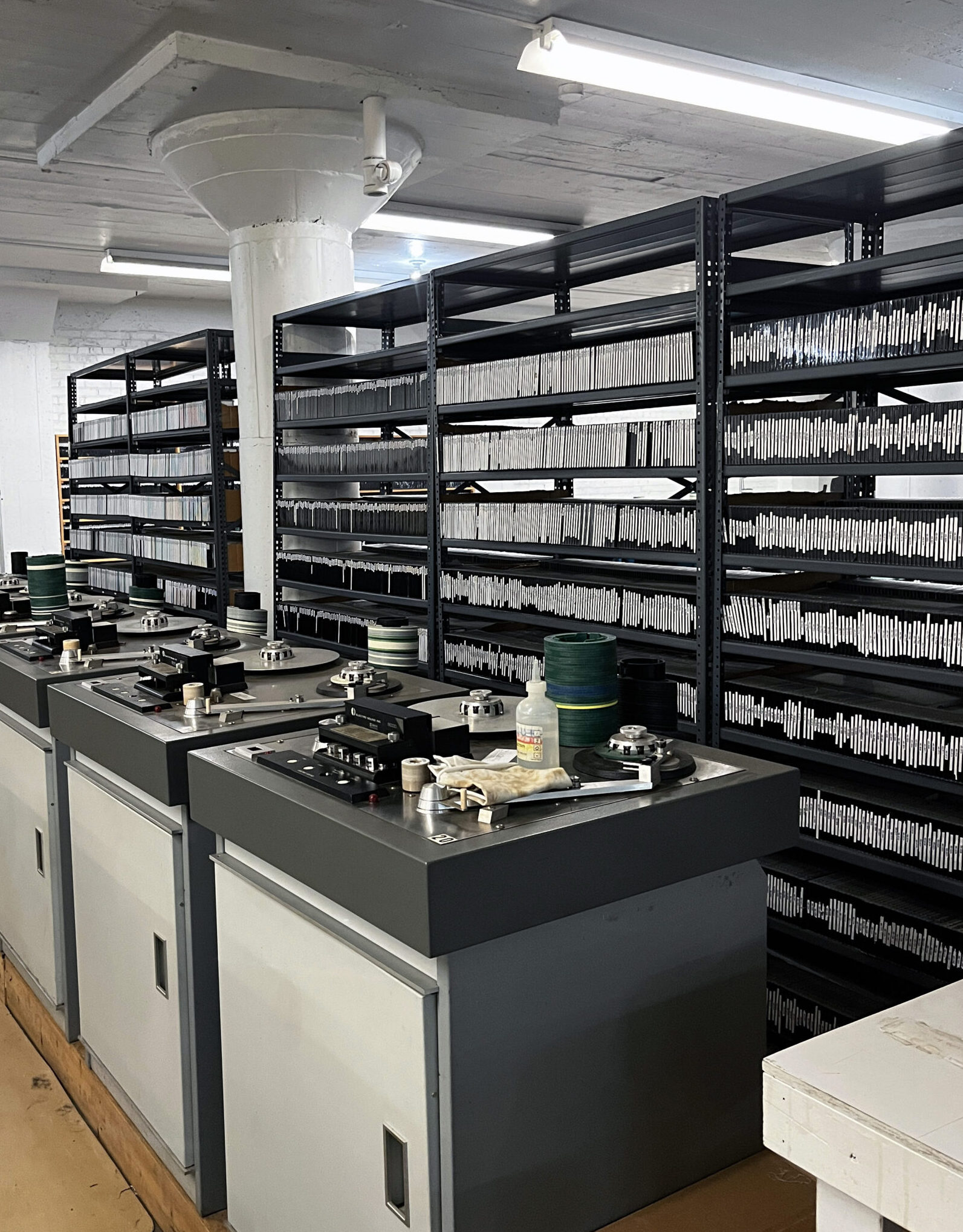
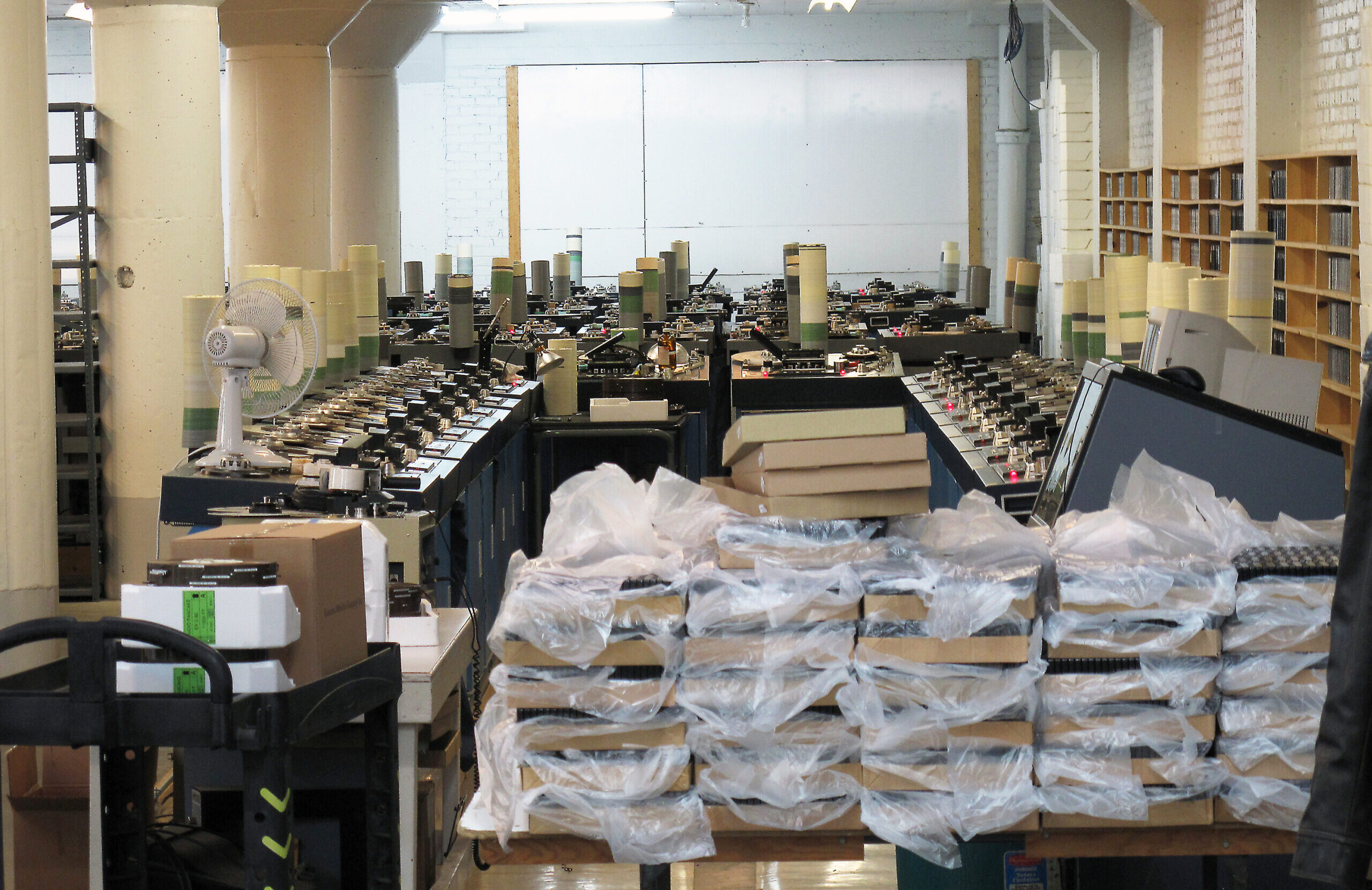
Tens of thousands of cassette master discs line the shelves of the production floor

Tens of thousands of cassette master discs line the shelves of the production floor

That data disc? It goes into NAC’s archive, which currently houses more than 80,000 titles. When a customer needs more copies made, whether it’s six months later or six years later, NAC pulls that master and runs it again. The sound will be identical every time.

Stay tuned for Part 2 of “From Master to Mixtape”!


Read more...

One of A Kind: What Makes National Audio Company Irreplaceable

One Fact That Changes Everything

National Audio Company is the last manufacturer of music-quality recording tape for cassettes on earth. Not just in America. The entire world.

With 57 years of refinement and reinvention under our belts, we practice our craft in Springfield, Missouri—right in the heart of the American Midwest. And from here, we support analog music fans across the planet.

Committed to Cassettes

Who still makes cassette tape? National Audio Company. 

While others chased trends, NAC doubled down on cassettes. In total, we’ve spent 57 years serving the industry, with the past 10 focused on manufacturing recording tape for cassettes. During that time, we’ve gathered a team of experts and engineers whose knowledge is unsurpassed. 

“Staying wasn’t just loyalty,” explained NAC President Steve Stepp. “It was expertise compounding over decades.”

To understand National Audio Company’s importance to the music industry, we have to go back to our founding. When we started in 1969, we worked with radio stations and recording studios, taking care of their reel-to-reel tape needs. 

In 1980, we began loading cassettes with Ampex tape here at our Springfield, Missouri plant. For the next few decades, we carved out a niche serving the audio needs of a variety of businesses, including:

  • Books on Tape for libraries and schools
  • National Library Service (Division of the Library of Congress)
  • Audiobooks and magazines for the blind and visually handicapped
  • Blank tapes for court recorders
Choice Magazine digital cartridges with braille stacked in a tray

Choice Magazine digital cartridges with braille for the visually impaired

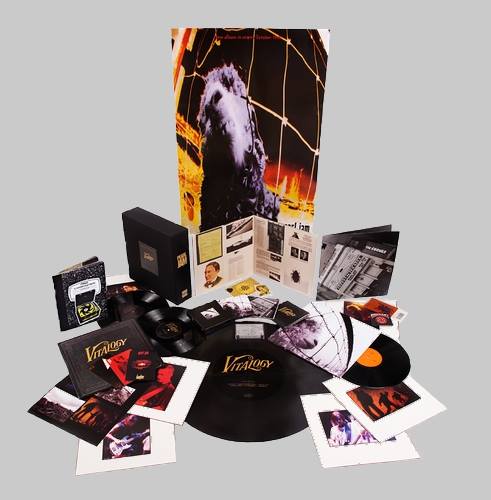
In the early 2010s, artists were intentionally keeping tape alive when and where they could. When Pearl Jam released “Vs.” and “Vitalogy” together in 2011, the 20th anniversary box set included a special cassette featuring their legendary January 8, 1995 Self-Pollution Radio broadcast. [Source]

In 2012, Smashing Pumpkins re-released “Pisces Escariot” in an expanded edition with all sorts of goodies for hardcore fans…including a cassette tape. [Source]

Pearl Jam's “Vs.” and “Vitalogy” 20th anniversary box set spread out

Pearl Jam’s “Vs.” and “Vitalogy” 20th anniversary box set

In both cases, sourcing the cassettes was a bit of a challenge for their labels. At the time, there just weren’t many places to get high-quality cassettes made. National Audio stepped in to fill the gap, helping set the stage for a cassette renaissance. At the same time, we became a key resource for independent musicians who wanted an affordable option to get their music out there.

As demand for high-quality cassettes increased, our production expanded to keep pace. By the mid-2010s, we had begun the process of formulating and manufacturing our own recording tape in-house. 

This was a critical juncture for NAC. “It was 20 years ago that the major players decided to get out of analog music with their eyes on the digital future,” Steve explained. But where others jumped ship, National Audio stayed the course. “We doubled down on analog and started manufacturing our own tape in 2016, and it wasn’t long before the biggest names in the business came to us to make their cassettes.”

Trusted with the Irreplaceable

Today, most major record labels entrust NAC with their master recordings. These unique recordings are then turned into “duplication masters” by National Audio. 

What is a duplication master? When a musician records an album in-studio with a record label we work with, they send us the original recording. From this, NAC creates a duplication master—the master recording from which all authorized copies are made. 

It is the physical manifestation of the artist’s work, as recorded in-studio on cutting-edge equipment. And once NAC gets it, we optimize it for the analog format. Each duplication master is securely stored in NAC’s archive, which currently houses more than 80,000 titles!

NAC’s archive is a treasure trove of music. We’re proud to safeguard master recordings from Pearl Jam, Smashing Pumpkins, and many more. 

These are not just recordings; they are irreplaceable pieces of music history.

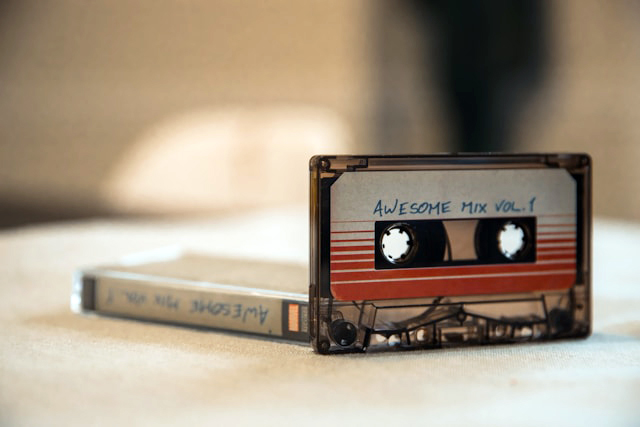
Guardians of the Galaxy, Awesome Mix Vol. 1 cassette and box

Guardians of the Galaxy, Awesome Mix Vol. 1. Photo by Yucel Moran

When the biggest names in the industry call, NAC answers. As President Steve Stepp likes to say, “If it’s important enough for you to call, it’s important enough for us to answer.” It’s that kind of personal service that’s kept NAC flourishing.

One Roof, Many Formats

As one of the last cassette tape manufacturers of music-quality recording tape, we’re committed to cassettes. We specialize in cassette tape manufacturing and cassette tape duplication

But our technical expertise and appreciation for music mean we also enjoy producing top-quality audio in other formats, from vinyl record pressing to CD duplication.

NAC offers one-stop music production for big music labels and independent artists alike. Our comprehensive capability has several benefits: 

  • Top-quality audio on many formats
  • Simpler process for customers
  • Made in America for better communication and supply chain control

We also offer audio engineering and analog-to-digital transfer services. National Audio can transfer open-reel tapes of all speeds and tape widths, audio cassettes, vinyl, and most other common audio formats. We can help recover valuable audio recordings from open-reel tapes, even ones that have become “sticky” with age.

The production floor at NAC

Part of the production floor at NAC

National Audio Company has been entrusted by governmental, commercial, and institutional clients to transfer thousands of irreplaceable analog recordings. We can also transfer special media to digital formats:

  • Radio programs
  • Music and instructional libraries
  • Old master recordings 

For cassettes and more, contact us today to hear how we can help.

Quiet Confidence

National Audio Company doesn’t need to turn it up to 11. The facts speak loudly and clearly: 

  • 57 years in business 
  • The trust of major labels worldwide
  • The last manufacturer of music-quality cassette tape in the U.S.

We’re not just preserving a format; we’re preserving an art form. And we’re just getting started.

Stay tuned—you’ll be hearing more from NAC.
Read more...

Who Is National Audio Company?

We’re National Audio Company, and we’ve been devoted to true sound reproduction since 1969. Known as “The Great American Cassette Company”, we’re the only music-quality cassette tape manufacturer in the world.

In an era dominated by streaming and digital downloads, how does NAC not only survive, but thrive? The answer lies in our commitment to professional-grade audio fidelity, music preservation, and expert knowledge of what makes magnetic tape recording special.

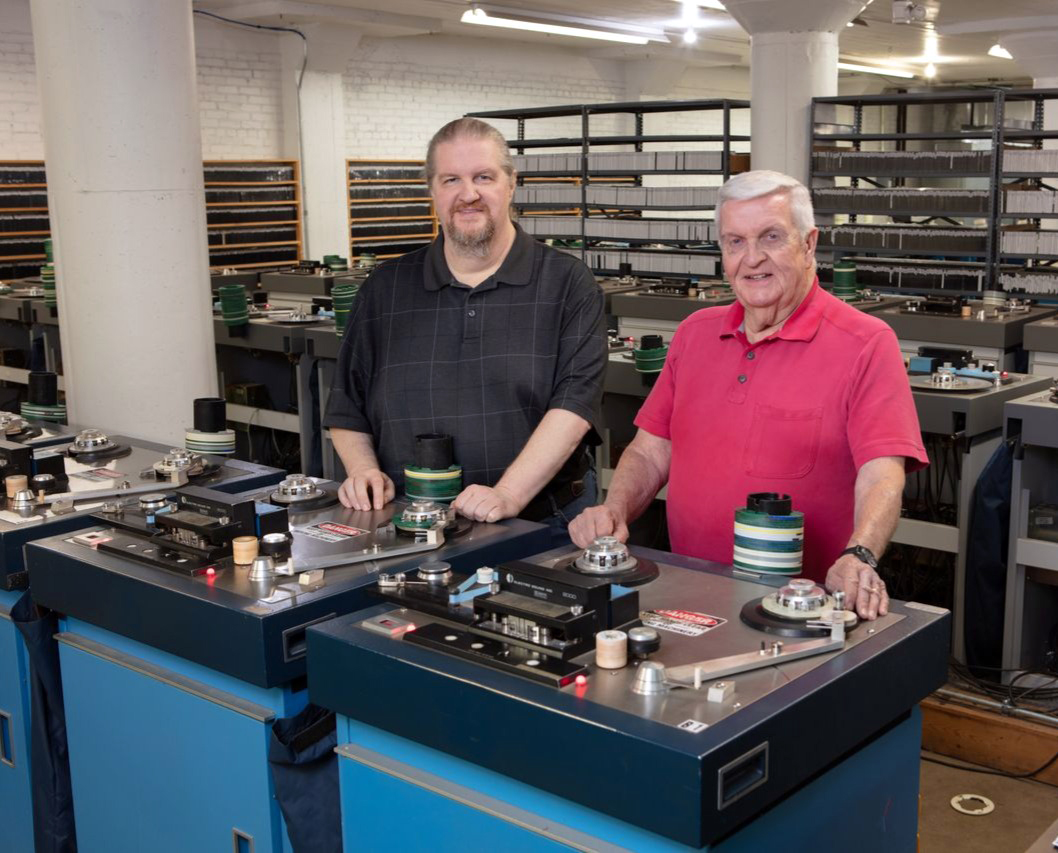
two men standing next to a tape duplication machine

NAC President Steve Stepp (right) and Vice President Phil Stepp (left)

Our Journey from Distribution to Manufacturing Excellence

Our story began over five decades ago in Springfield, Missouri, where we started as a distributor of professional recording equipment. For 12 years, we built our reputation distributing Ampex recording tapes and Fidelipac broadcast cartridges to radio stations, studios, and audio professionals across the country. We learned the business inside and out, understanding what audiophiles, broadcasters, and musicians needed from their magnetic media.

In 1980, we took a pivotal step: we began manufacturing audio cassettes using Ampex tape. This wasn’t just a business decision; it was a commitment to quality control and innovation. We wanted to produce blank cassette tapes that met the exacting standards we’d come to appreciate through years of working with professional audio equipment.

By the late 1980s, our “Audio Pro” cassettes had become the industry standard for cassette duplication. The secret? Precision manufacturing, carefully formulated tape coatings, and quality control protocols that ensured consistent frequency response and signal-to-noise ratios across every single cassette we produced.

Growing When Others Were Shrinking

As demand for our professional-quality cassettes grew, we expanded twice—relocating to a 28,000-square-foot facility in 1989, then moving to our current 135,000-square-foot factory in 1998. While our competitors were eyeing the CD revolution, we were doubling down on cassette manufacturing excellence.

a red building with "National Audio Company" on the side

NAC’s 135,000-square-foot factory in downtown Springfield, MO

The early 2000s brought massive industry shifts and major cassette duplicators pivoted entirely to CD production. We saw something different. We recognized that cassettes still served vital roles in educational materials, religious programming, audiobooks, and increasingly, among music enthusiasts who appreciated analog sound quality. 

Rather than abandon the format, we expanded our cassette duplication services. As competitors chose other avenues, we acquired their equipment, restored and upgraded it, mastered its use, and retrofitted an entire floor of our historic building to produce top-quality magnetic tape. 

Today, National Audio Company offers three types of tape purpose-built for different recording needs:

  • FerroMaster C256™ – the classic ferric cassette tape you know and love. It is refined for use in consumer cassette decks for high-quality recording and playback. 
  • FerroMaster C456™ – the highest quality ferric cassette tape available in the world today. This product has been tested in high-speed duplication equipment and delivers outstanding quality. 
  • FerroMaster C756™ – This Cobalt oxide Type II High Bias tape is made for the most demanding recording applications and is the gold standard in Type II performance. 

We are also refining and enhancing our Magne-Sheen tape coating and finishing process. This will allow smoother contact with recording and playback heads, along with superior audio performance. 

Learn more about NAC’s cassette manufacturing capabilities 

The Science of Superior Sound

What makes a music-quality cassette tape superior? It comes down to physics and chemistry working in perfect harmony.

Our Type I ferric oxide formulation delivers excellent high-frequency response while maintaining low noise floor characteristics essential for music reproduction. The tape coating must be applied uniformly to within microns of tolerance—inconsistencies create audible artifacts called dropouts and alter frequency response curves. We’ve refined our coating process to achieve remarkable consistency.

The cassette shell itself matters tremendously. Poor shell design creates mechanical friction, uneven tape tension, and wow-and-flutter variations that degrade audio quality. Our cassette shells are precision-molded with tight tolerances, ensuring smooth tape transport and optimal head contact throughout the entire playback duration.

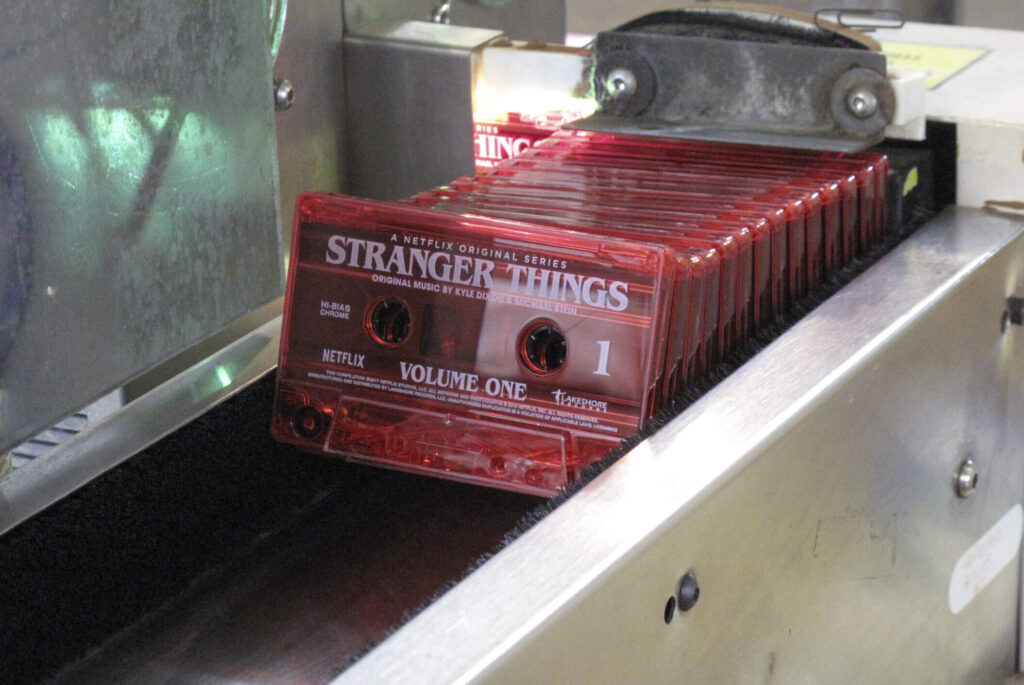
cassette tapes on a conveyor belt

“Stranger Things Vol. 1” in production

We also understand cassette tape longevity. Properly manufactured and stored cassettes can preserve audio fidelity for decades because magnetic tape is inherently stable. Unlike optical media that can delaminate or digital files dependent on functioning storage devices, quality cassette tape is remarkably archival.

Global Reach Through Strategic Partnerships

We’re proud to be America’s cassette manufacturer…and now, our reach extends globally. Thanks to our recent partnership with Revox, the renowned German audio equipment manufacturer, we’ve connected with international markets that value precision engineering and analog audio quality. 

a cassette tape

This relationship reflects shared values: 

  • Meticulous craftsmanship 
  • Technical excellence
  • Respect for analog audio’s unique characteristics

Revox’s legendary reputation for high-fidelity audio equipment complements our cassette manufacturing expertise perfectly. Together, we serve audiophiles, archivists, musicians, and audio professionals worldwide who demand exceptional quality.

Beyond Cassettes: Complete Audio Solutions

Our commitment to music quality and preservation means we’re not just a blank cassette tape factory. We offer comprehensive services including:

Whether you’re a musician releasing an album, an organization preserving spoken word archives, or a publisher producing audiobooks, we provide end-to-end solutions from layout and design through duplication, printing, assembly, and shrink wrapping.

We’ve also produced custom private-label cassettes brands, demonstrating our flexibility and manufacturing expertise at scale.

The Analog Renaissance

Today, we’re experiencing something remarkable: musicians and music fans are rediscovering cassettes. For Gen X, it’s the memory of making (or getting) that first mixtape. For Millennials and Gen Z, it’s discovering what their parents knew—that cassettes offer something streaming can’t. 

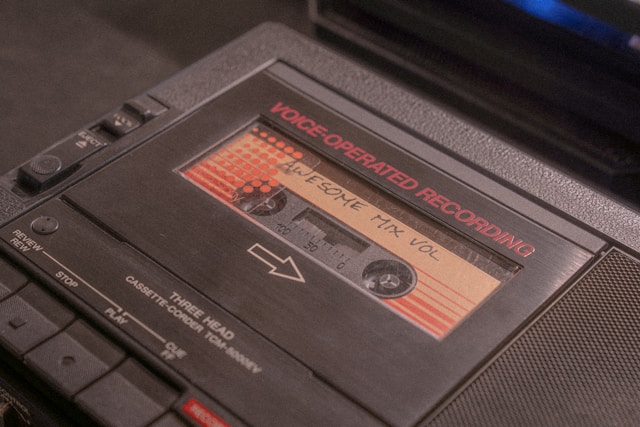
a cassette tape with a label on it

“Guardians of the Galaxy, Awesome Mix Vol. 1”, photo by Xingye Jiang

They’re drawn to the warmth of analog sound, the tactile experience of holding real music in your hands. It’s about audio character, about the subtle tape saturation that adds richness to recordings, about the ritual of physical media. If that sounds right to you, you need to know about us.

Like cassettes themselves, National Audio Company is here for the long haul and our tape is still rolling!

Stay tuned—you’ll be hearing more from NAC.
Read more...