One Spring, Many Connections
How a water source in Missouri helped give birth to Springfield, Route 66, and 200 years of American connection
Water is a source of many things. For Springfield, Missouri—a city founded on a spring—water was the source of its growth, its prosperity, and even its name.
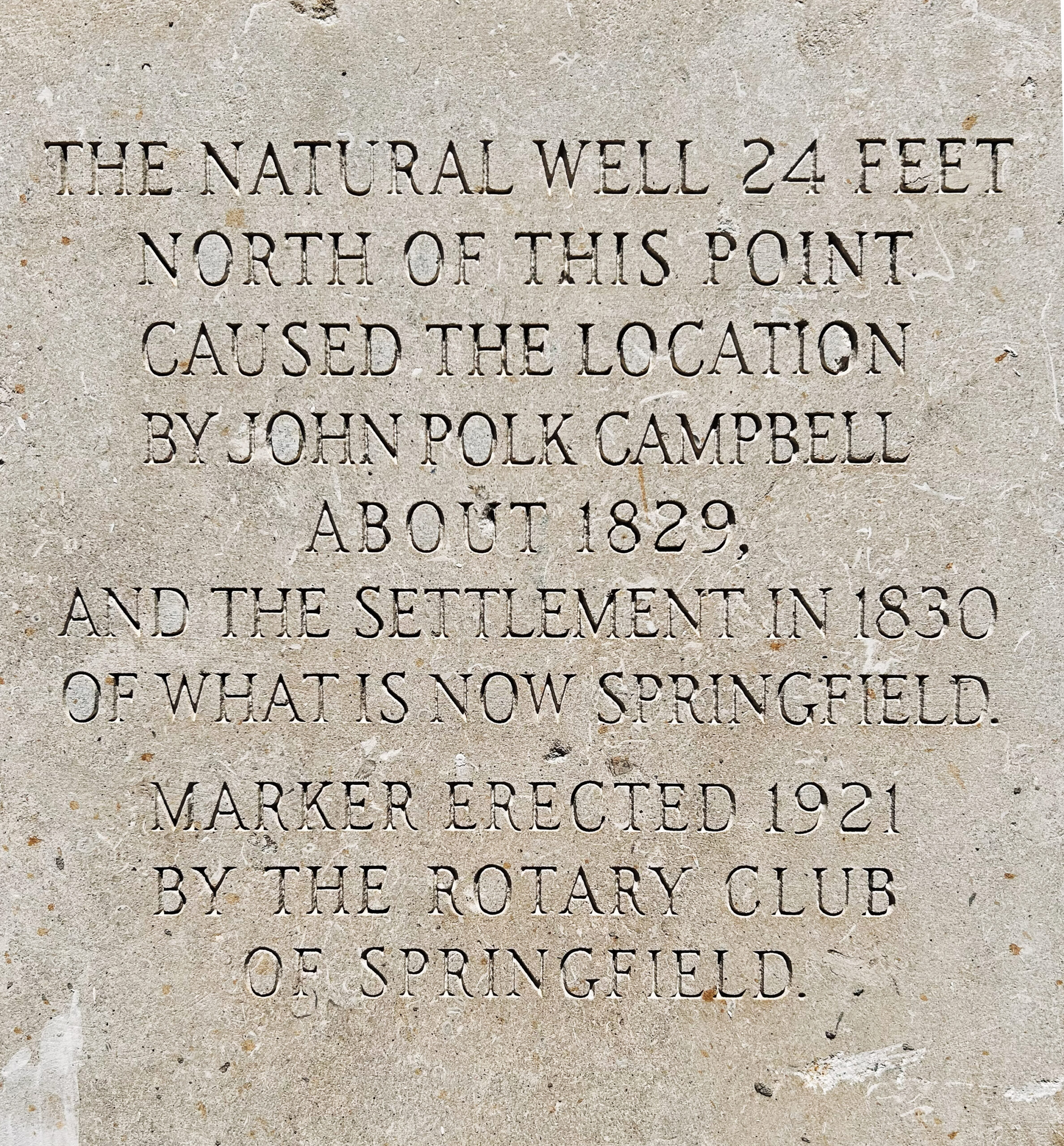
Today, after two centuries of urban growth, it’s overbuilt by concrete and brick, and few living Springfieldians have ever seen it. But to locals hoping to find it, a plaque on the cornerstone of an old brick building on Water Street offers a clue to its location.
When Campbell settled at the spring, he saw the potential for a prosperous future fed by the clean, clear water of this “bottomless well.” He had no idea his actions would found the town that would become “The Official Birthplace of Route 66.”
As America honors The Mother Road’s 100th birthday with events throughout 2026, Springfield is celebrating its role as a hub of connection for the whole country.
Learn more about the Route 66 Centennial Kickoff Celebration in Springfield.
Connected by Water
Water was everything on the American frontier. When John Polk Campbell settled at the spring, he didn’t just find water. He found a future.
Word spread that at Campbell’s spring, the water was plentiful and the land was good. A settlement formed on its banks, which soon grew into a town. Throughout the 1800s, Springfield grew outward and upward, drawing people and commerce, becoming a crossroads for the region.
The spring that fed the community’s thirst for growth kept flowing beneath the surface, invisible but essential, the quiet source of everything above it. From the spring itself to the many streams and rivers in the area, locals were connected by water.
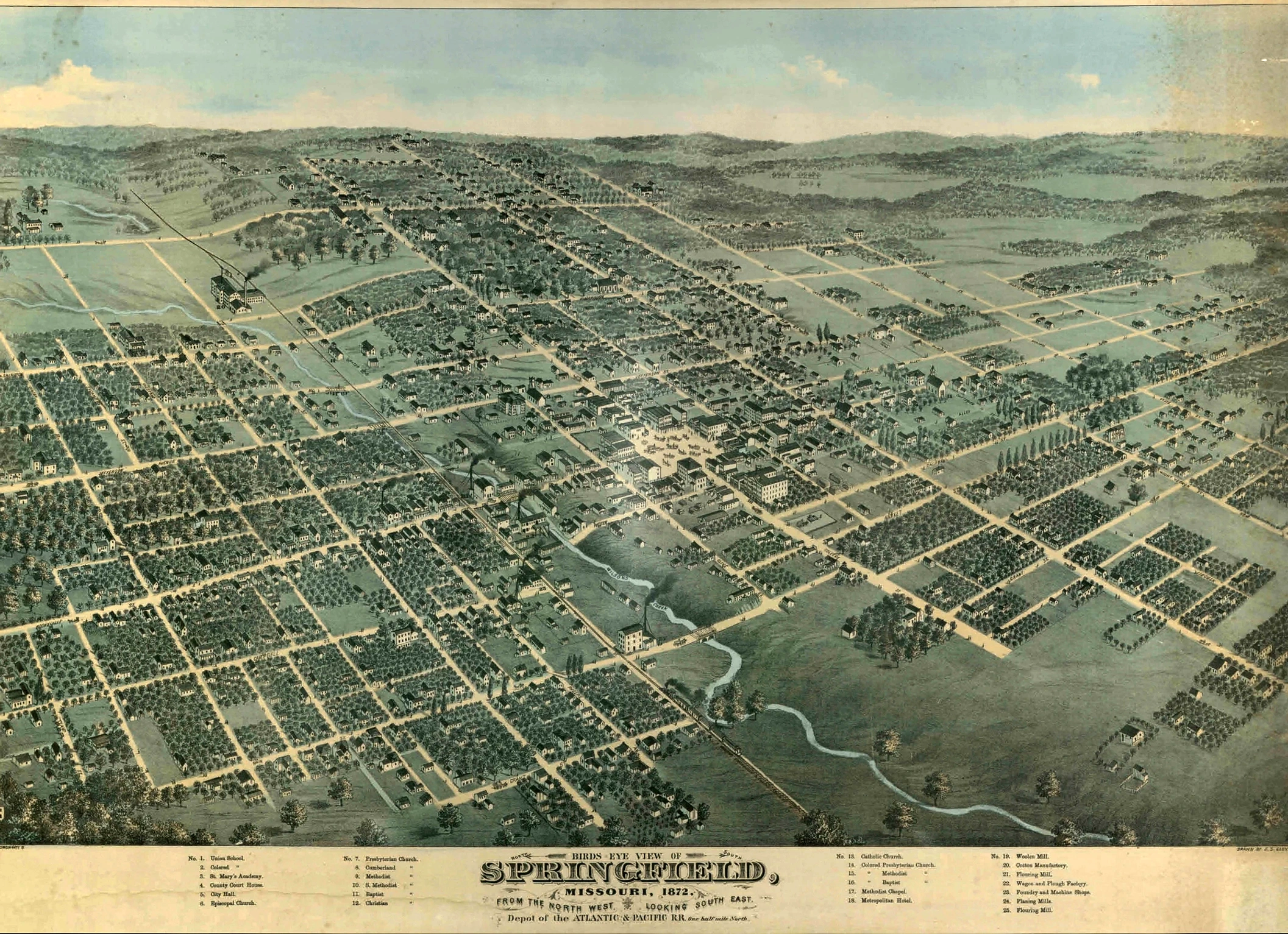
But times were changing, as they always do. And progress meant pavement.
“By the 1920s, the creek [was] boxed into a series of underground culverts and tunnels. Water Street was essentially rebuilt on top of this concrete box, leaving the original site of the natural well not only destroyed, but buried under layers of fill dirt, concrete, and pavement,” writes Brandon Broughton in his fascinating exploration of the spring’s history entitled The Bottomless Well of Water Street.
Americans were eager to explore the West, but traveling by water was slow and hard. Railroads would soon offer them another way to travel. But with the turn of the century, a newer and more individualized kind of transport captured the American imagination: the automobile.
Connected by Roads
America’s waterways may have been its first highways, but the age of the automobile changed that. The country needed new ways to move people and goods across the country. The paving of America had begun.
Functionally, roads were a gamechanger. Philosophically, too. Paved pathways allowed Americans to explore their country in new ways, at their own pace. It wasn’t long before the East had plenty of them. But the West was another story. It took hard work and coordination to build and connect roads.
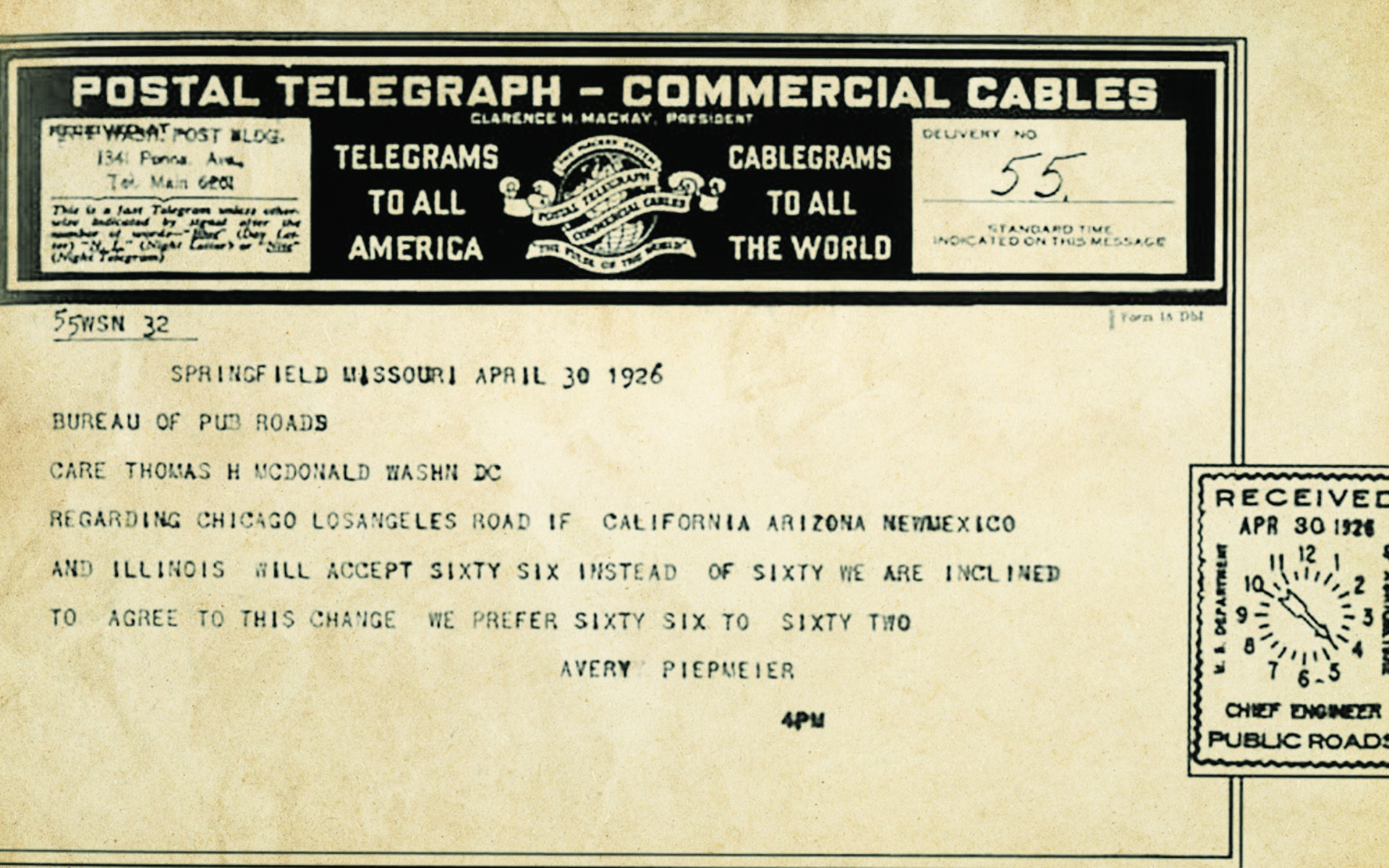
On April 30, 1926, highway officials gathered in Springfield, MO. Their purpose was to name a new route of highways cobbled together to form a path to California. A famous telegraph was sent from these officials to the Bureau of Public Roads rejecting the name “Route 62” and establishing their preference for “Route 66” instead. The Bureau agreed, and a new era of cross-country connection was born.
Route 66 captured the American imagination, building on folks’ desire to explore the uncharted American West at their own pace, in their own way. It was an artery for transport and for social interaction.
In Grapes of Wrath, John Steinbeck famously described it this way: “66 is the mother road, the road of flight.” Others called it the Main Street of America. Whatever name folks used, it was something new and yet somehow familiar: a connector, a lifeline, a road that said this way to everyone who needed a direction.
Route 66 stretched from Chicago to Los Angeles, opening portions of America not previously accessible, connecting the West to the rest of the country. Springfield, MO, was an important stop along the way.
The Main Street of America is an important part of Springfield’s history. The traffic brought prosperity, excitement, and celebrity to the Queen City of the Ozarks. It also brought a title no other city could lay claim to: “The Official Birthplace of Route 66.”
The Mother Road still runs through Springfield. On a map, you can trace its path through the city from east to west. In person, you can still drive it! Special signs along the way commemorate the road and its history.
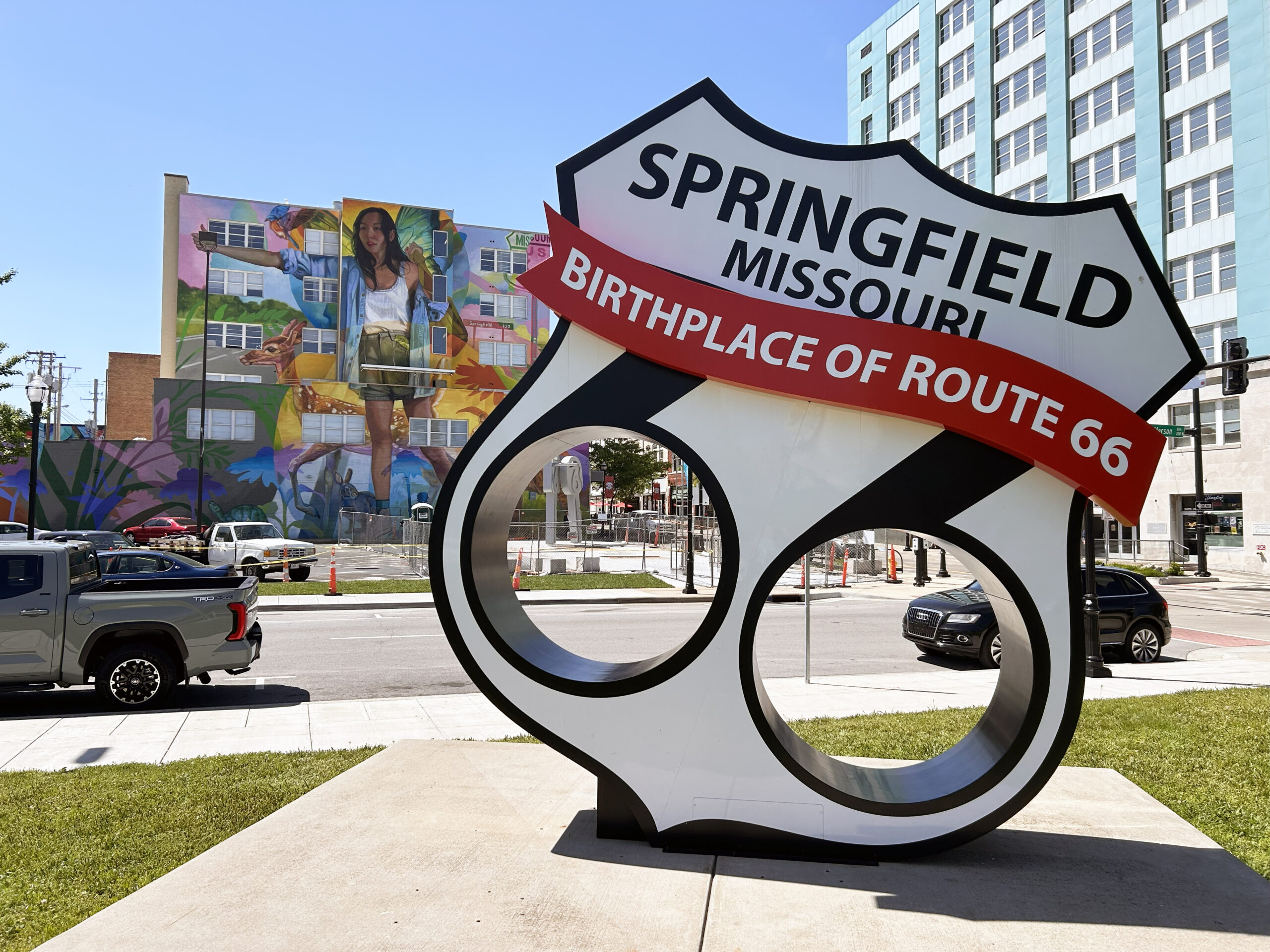
As you pass through Springfield on Route 66, you’ll drive by all sorts of fascinating sights, including the newly renamed Route 66 Stadium (home to the Springfield Cardinals baseball team). Keep driving toward the square, and you’ll spot a tall brick building with “National Audio Company” painted on the side.
In the heart of Springfield, nearly 200 years after its founding, one company is still connecting Americans…inspired by the spring that burbles beneath.
Connected by Music
In 1882, a grand brick building was constructed in downtown Springfield. It was built on Water Street, right above Campbell’s “bottomless well.” It has been the home of several local businesses, and today is the home of National Audio Company.
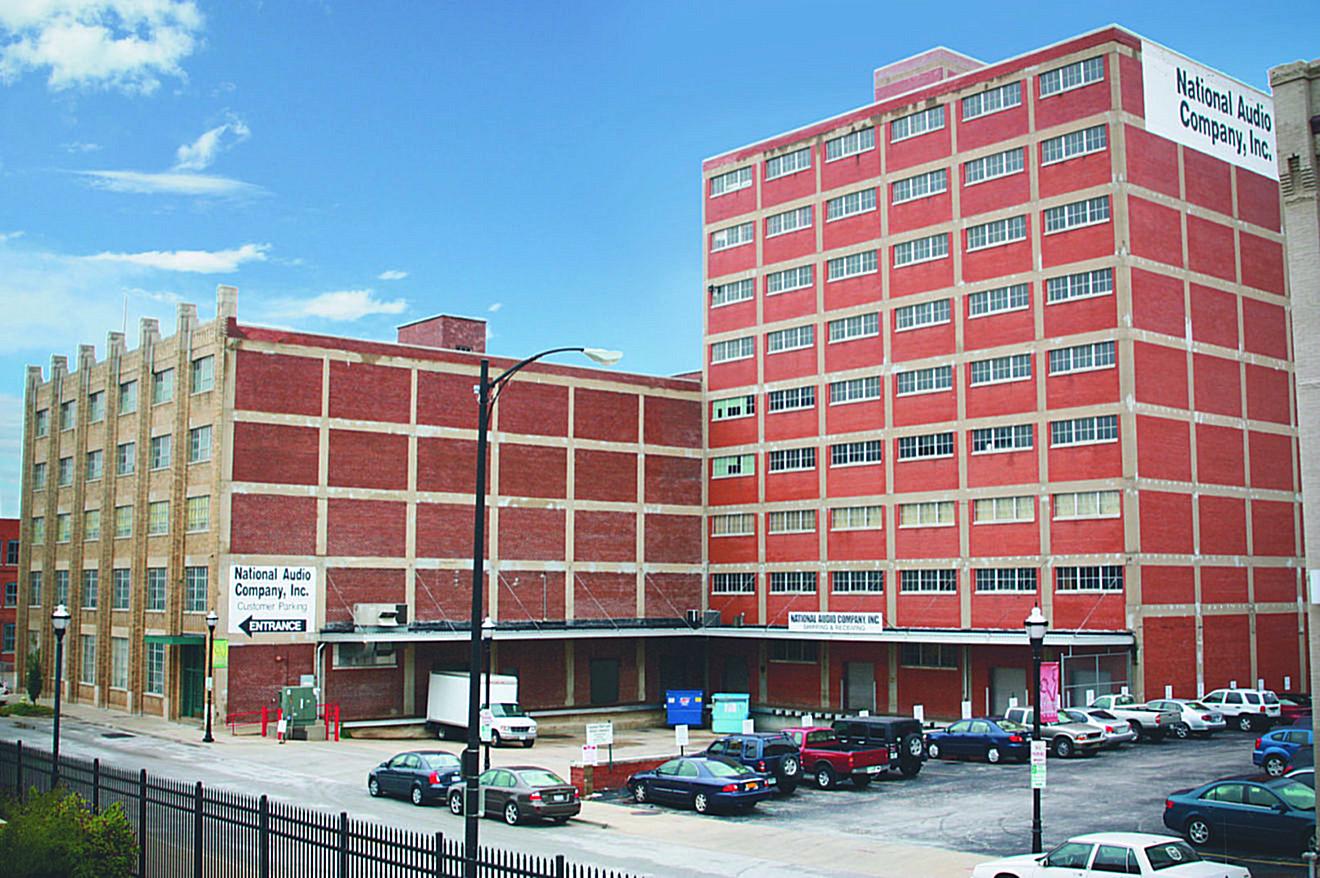
Artists and music labels around the world trust NAC with their recordings because they do something no one else can. National Audio Company is the last manufacturer in America of music-quality cassette tape. They’re the gold standard in their field.
Like the water source beneath them and the famous road that runs two blocks away, “The Great American Cassette Company” has been connecting Americans for years. It’s one of many icons along the path of Route 66 that you can still visit. And with analog music and cassettes experiencing a comeback, NAC intends to keep truckin’.
Route 66 connected Americans by road. NAC connects them through music. Both are American originals, built to last, rooted in the same city, drawing from the same deep tradition of craftsmanship and connection.
Still Flowing, Still Connecting
Route 66 just turned 100. Springfield is almost 200. But the spring predates them all.
It’s still there, flowing and connecting, the quiet source of a Midwestern city, an iconic road, and 200 years of American connections.
Since 1882, it’s been hiding beneath a nine-story brick building on Water Street. Since 1998, its burble has been blending with the whirr of machines making music at National Audio Company. Music that will spread from its source to entertain cassette lovers the world over.
Though the spring itself may be hidden in the basement of “The Great American Cassette Company,” it’s finally getting some love as part of a major revitalization effort in the city. You can learn more about how the city is restoring the area here: Renew Jordan Creek Project.
From the spring itself to Route 66 to music, Springfield is proud of its place as a hub of connection for the whole country.
Connect with National Audio Co.
Curious about the spring, the plaque, the building, or NAC itself?
Stop by National Audio Company just off of Route 66 at 309 E. Water Street to say hello to our friendly staff…and maybe even start your own music project.
You’ll be hearing more from NAC.